Where the evidence for the neuro-directed compounds comes from, and how unevenly it is distributed.
In short
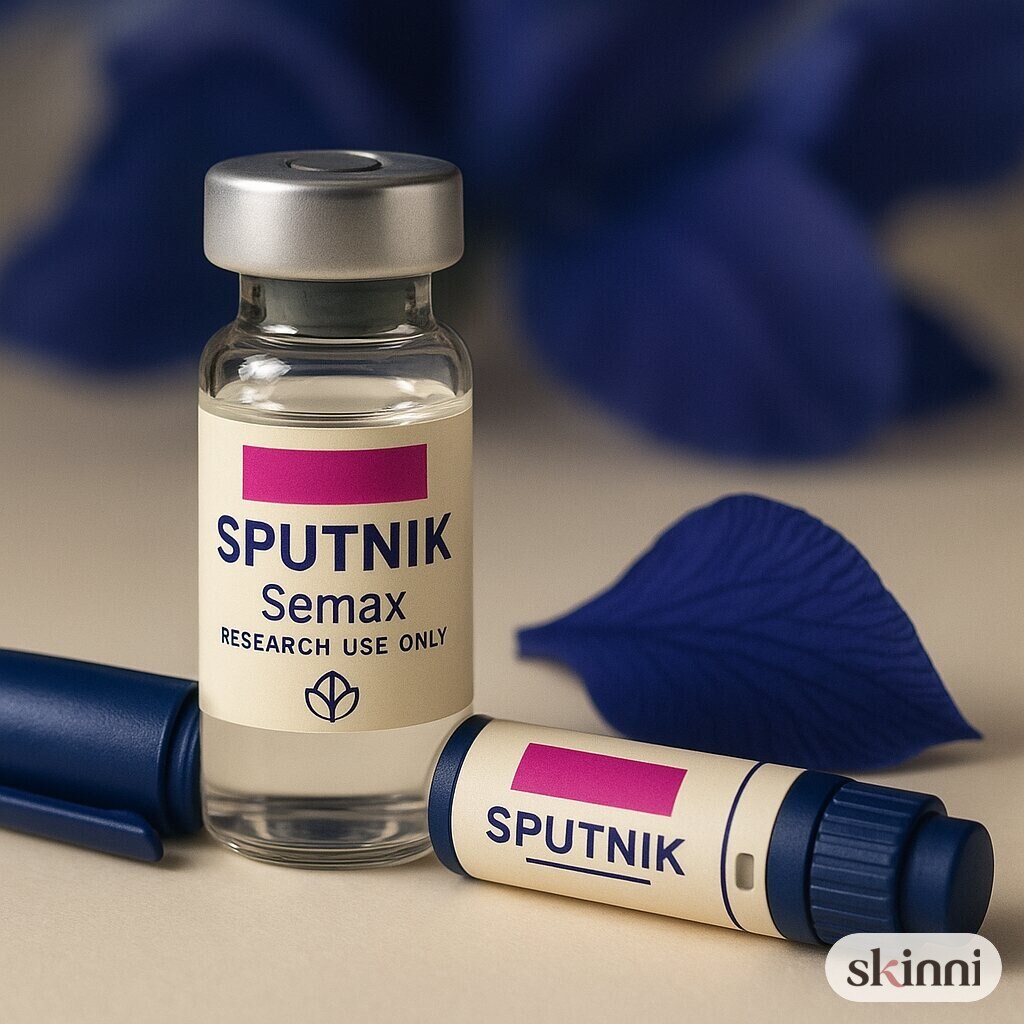
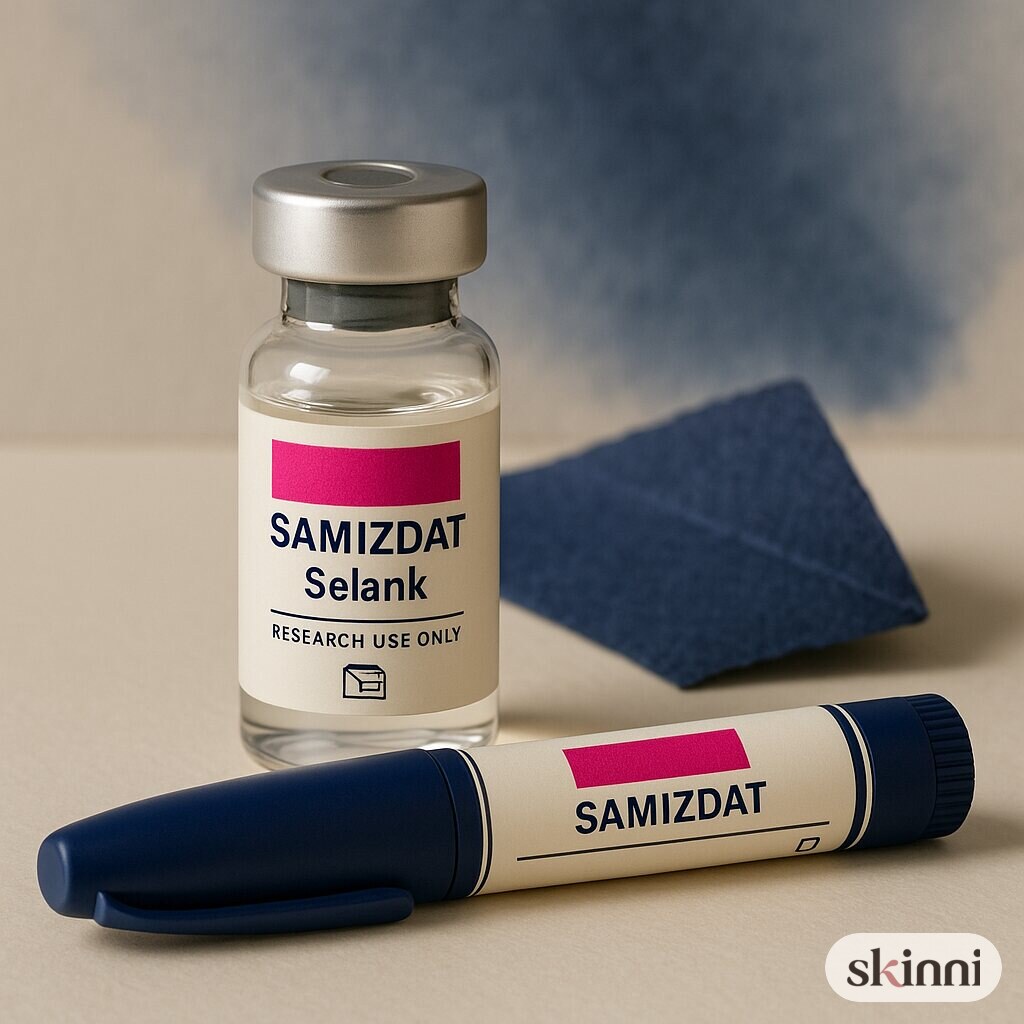
- Semax is a synthetic analogue of ACTH(4-10) with a C-terminal proline-glycine-proline extension; Selank derives from the immunopeptide tuftsin.
- Dolotov and colleagues reported specific binding and increased BDNF protein in rat basal forebrain following Semax administration.
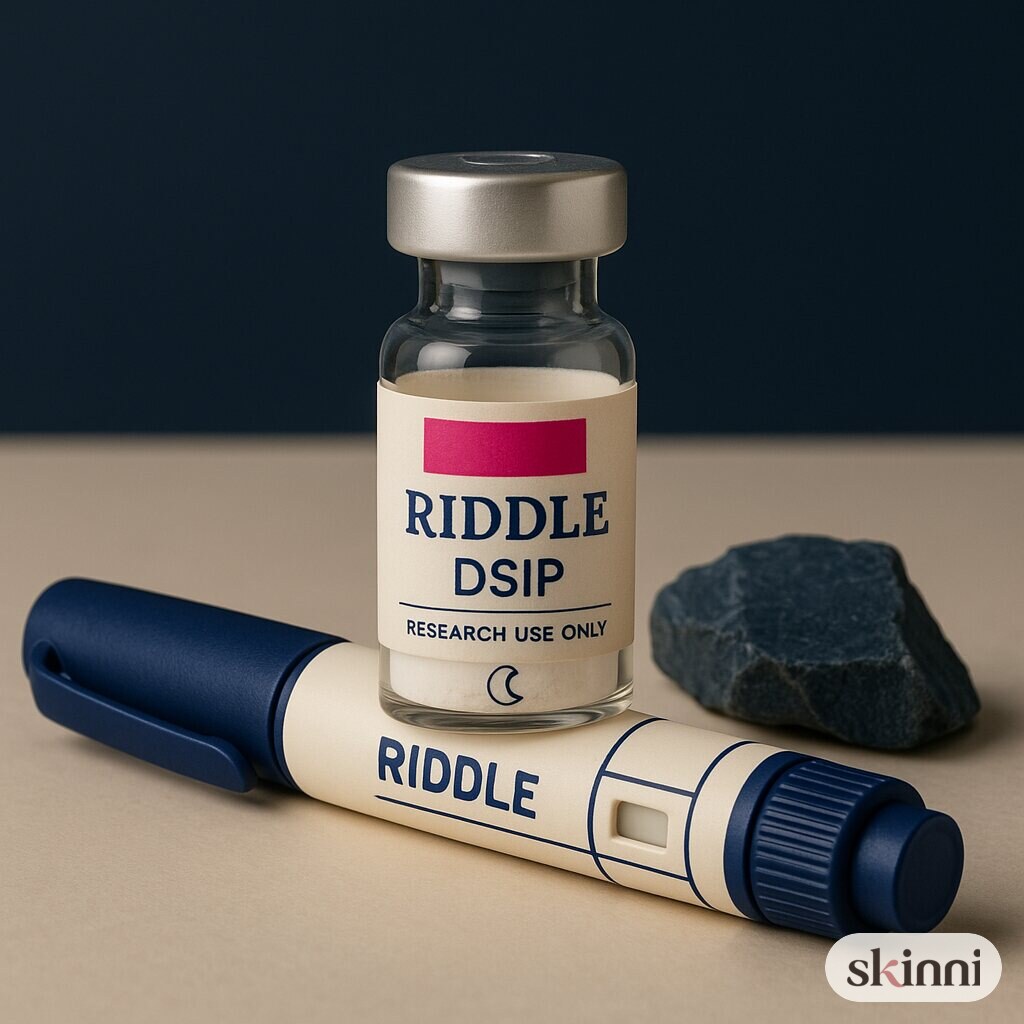
- DSIP was isolated in 1977 by Schoenenberger and Monnier from rabbit blood during induced sleep, and its mechanism has never been satisfactorily established.
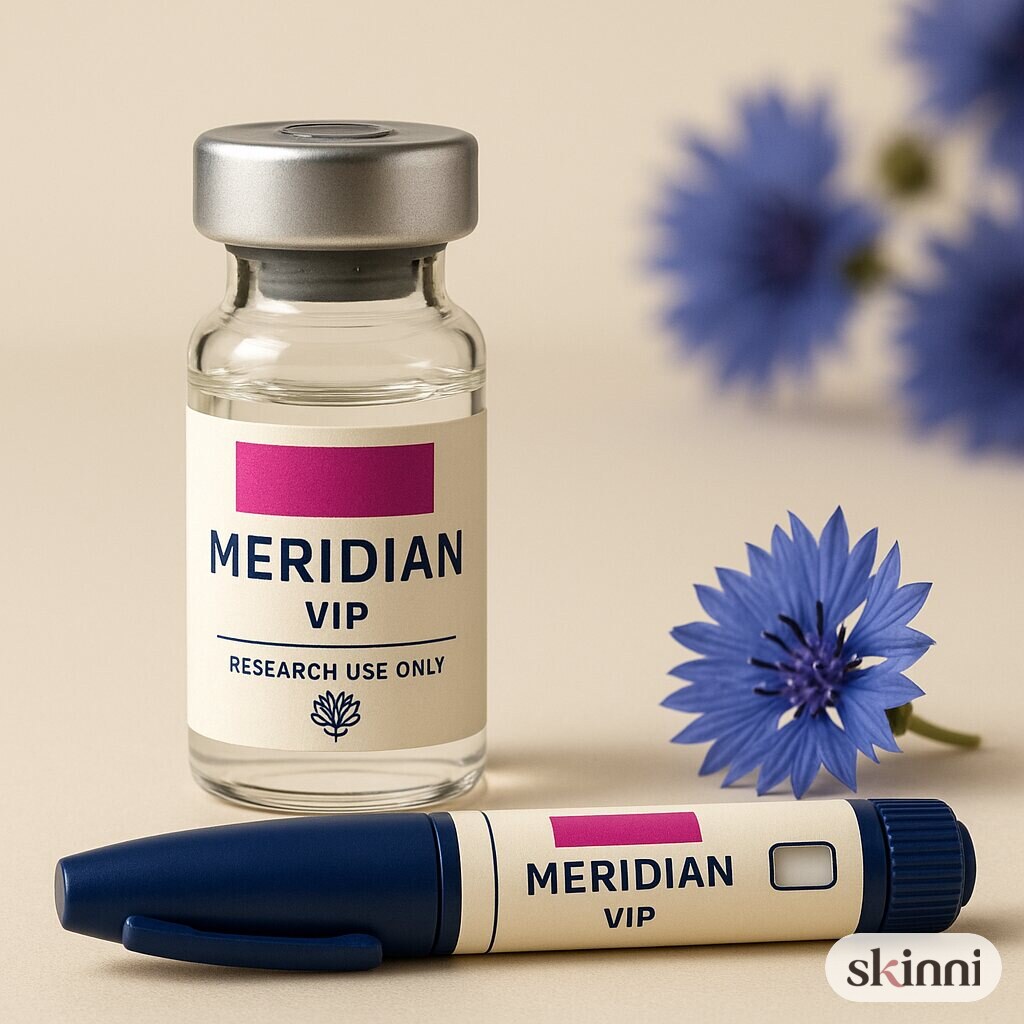
- VIP, isolated by Said and Mutt in 1970, is by contrast a thoroughly characterised ligand with named receptors and an IUPHAR review to its name.
Fragments of ACTH, and a Soviet research line
Semax is Met-Glu-His-Phe-Pro-Gly-Pro: the 4-10 fragment of adrenocorticotropic hormone with a proline-glycine-proline tail added, a modification intended to slow enzymatic cleavage. The interest in ACTH fragments rests on a long-standing observation that they carry behavioural and neurotrophic activity dissociable from the hormone's adrenal effects.
The mechanistic work most often cited is neurotrophic. Dolotov and colleagues, in the Journal of Neurochemistry in 2006, reported that Semax binds specifically in rat brain tissue and that BDNF protein levels in the basal forebrain were elevated following administration; companion work in Brain Research examined BDNF and trkB expression in hippocampus. BDNF and its receptor are central to synaptic plasticity, which is the bridge to the cognitive endpoints the compound was studied against.
Selank is a different lineage — a heptapeptide based on tuftsin, an immunologically active fragment of IgG, similarly extended for stability. Both compounds were developed at the Institute of Molecular Genetics in Moscow and have a clinical history in Russia. The general caution for both is the same: much of the clinical literature is published in Russian-language journals, is not indexed in the databases Western reviewers search, and has not been replicated in independent controlled trials. That is a statement about the accessibility and independence of the evidence, not a dismissal of it.
A factor named for an EEG signature
Delta sleep-inducing peptide has an origin story more specific than its mechanism. Schoenenberger and Monnier reported its characterisation in the Proceedings of the National Academy of Sciences in 1977, isolating a nonapeptide from the blood of rabbits in which delta-wave sleep had been induced by thalamic stimulation, and naming it for the EEG band whose appearance it tracked.
Nearly fifty years later the mechanism remains unresolved. Kovalzon and Strekalova reviewed it in the Journal of Neurochemistry in 2006 under the title 'a still unresolved riddle' — no receptor has been definitively identified, reported effects across laboratories have been inconsistent, and the literature includes reports on thermoregulation and stress measures that sit uneasily alongside the sleep findings.
It is a genuinely open question in neurochemistry and the catalog page treats it as one. Anything presenting DSIP as a settled sleep agent is describing a literature that does not exist.
VIP, and what a well-characterised system looks like
Vasoactive intestinal peptide is the contrast case. Said and Mutt isolated it from small intestine and reported it in Science in 1970, initially for its vasodilatory activity. It is now understood as a 28-residue neuropeptide acting at two class-B G-protein-coupled receptors, VPAC1 and VPAC2, shared with the related peptide PACAP, and it is distributed widely through the central and peripheral nervous systems.
Harmar and colleagues wrote the receptor pharmacology up as IUPHAR Review 1 in the British Journal of Pharmacology in 2012 — named receptors, characterised signalling, mapped distribution, documented physiological roles including a role in the suprachiasmatic nucleus and circadian function, and a substantial immunomodulatory literature.
That is what a mature research target looks like, and the difference from DSIP is instructive: not that VIP is more potent or more useful, but that the questions one can ask about it are sharper because the system is defined.
The world, and the limits
The Neurobiology world groups these compounds by research target — mood, memory and sleep-architecture research — and the catalog pages name the endpoints the literature actually used: BDNF expression, EEG measures, receptor binding.
None of these compounds is an approved drug in the United States. None of the pages here describes a cognitive, emotional or sleep outcome in a person, and none carries a protocol. Where the underlying literature is inconsistent or hard to access, that is stated rather than smoothed over.
References
- Dolotov OV, Karpenko EA, Inozemtseva LS, et al.. Semax, an analogue of adrenocorticotropin (4-10), binds specifically and increases levels of brain-derived neurotrophic factor protein in rat basal forebrain. Journal of Neurochemistry. 2006;97(Suppl 1).
- Schoenenberger GA, Monnier M. Characterization of a delta-electroencephalogram (-sleep)-inducing peptide. Proceedings of the National Academy of Sciences. 1977;74(3):1282–1286.
- Kovalzon VM, Strekalova TV. Delta sleep-inducing peptide (DSIP): a still unresolved riddle. Journal of Neurochemistry. 2006;97(2).
- Harmar AJ, Fahrenkrug J, Gozes I, et al.. Pharmacology and functions of receptors for vasoactive intestinal peptide and pituitary adenylate cyclase-activating polypeptide: IUPHAR Review 1. British Journal of Pharmacology. 2012;166(1):4–17.
What this article is, and is not
This is a summary of published research, written for qualified professionals evaluating compounds for laboratory work. Every compound discussed is supplied by strictly for in-vitro and laboratory research use. None is a drug, a dietary supplement, or a cosmetic; none is intended for human or veterinary use; and nothing above is medical advice, a treatment recommendation, or a claim that any compound produces any effect in a person. We publish no dosing or administration guidance of any kind.