
10 compounds
Endocrine
Growth-hormone axis and hormonal signalling research
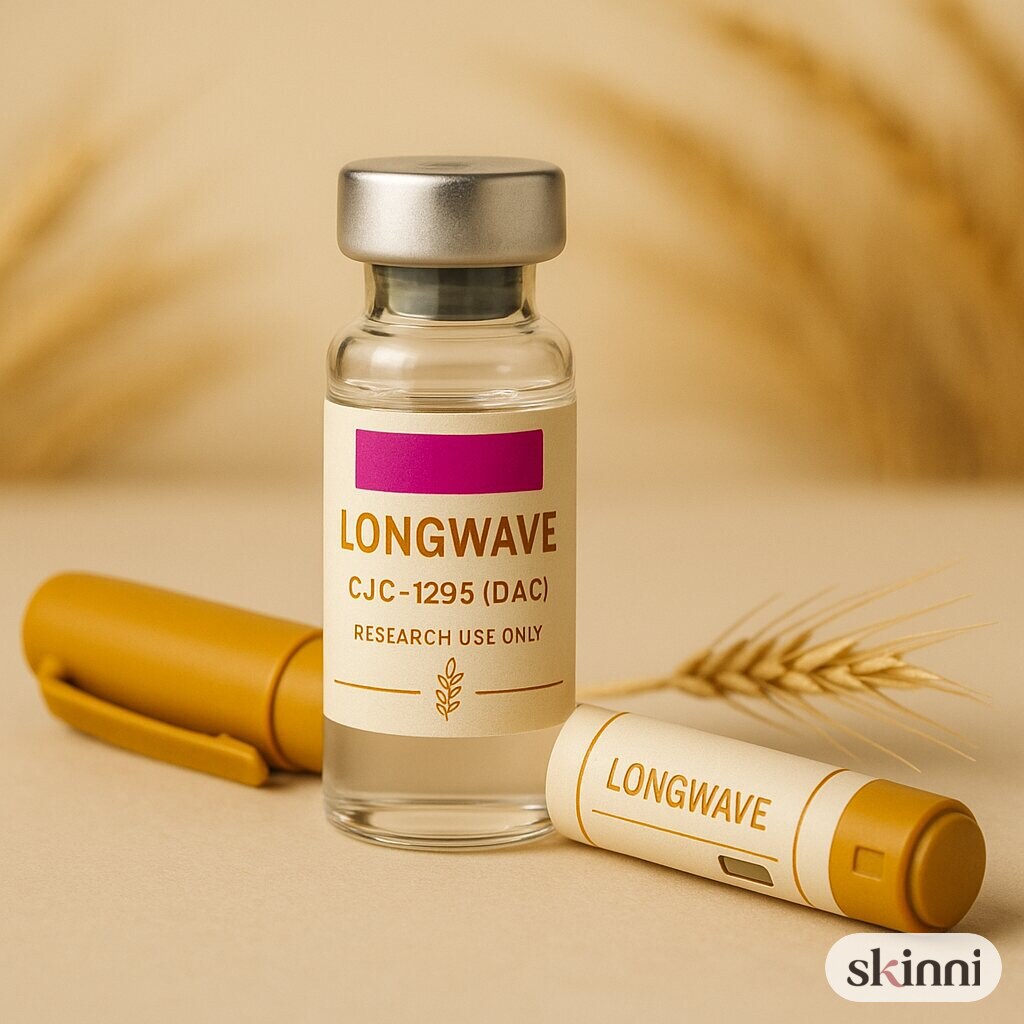
LONGWAVE
CJC-1295 (DAC)
Studied for its extended half-life relative to the no-DAC form in GH-axis research models.

DUET
CJC-1295 + Ipamorelin
Supplied as a single reconstitution for protocols that study a GHRH analog alongside a selective secretagogue.

PULSE
CJC-1295 (no DAC)
Studied for its short-acting pulsatile profile on the GH/IGF-1 axis in endocrine research models.

BROADSIDE
Hexarelin
Studied in growth-hormone secretagogue receptor models, including cardiac-tissue receptor research.

SCALPEL
Ipamorelin
Studied for high selectivity at the ghrelin receptor with minimal cross-reactivity in secretagogue-receptor panels.
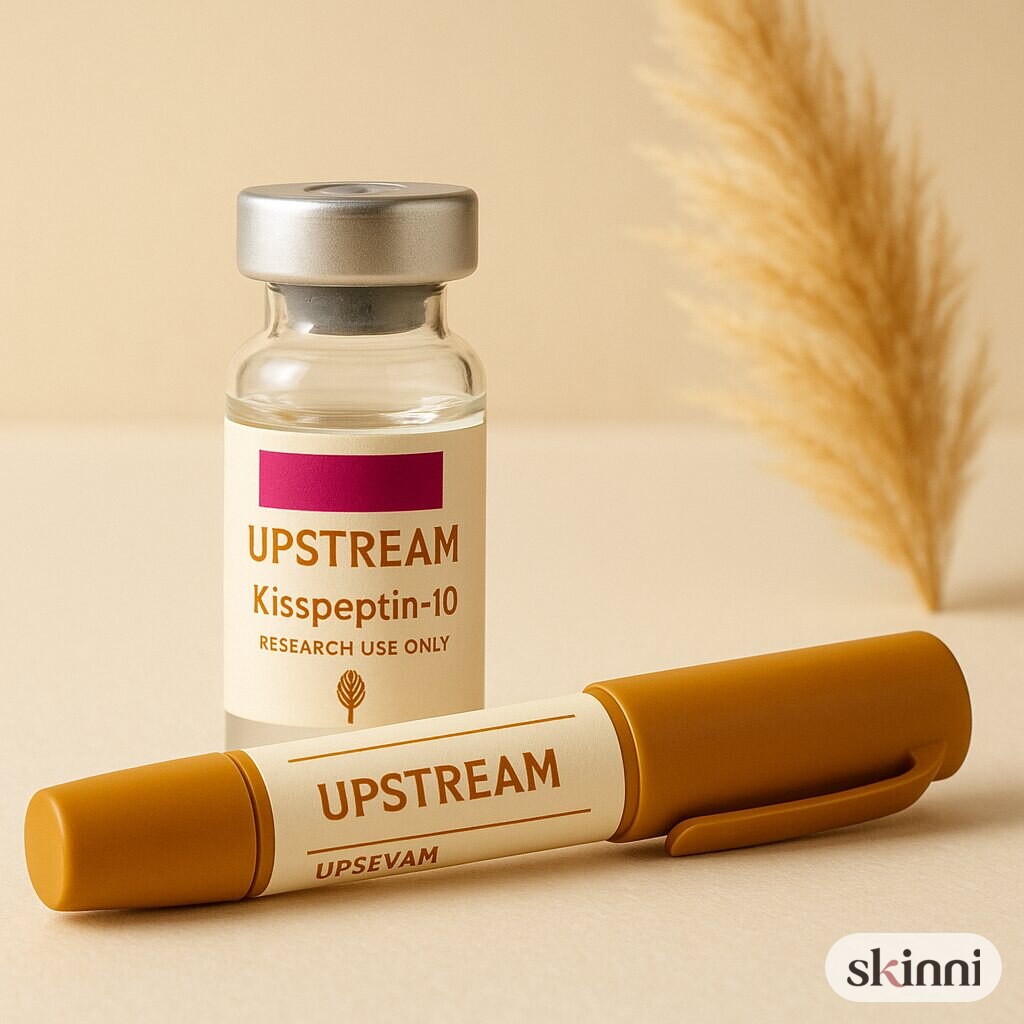
UPSTREAM
Kisspeptin-10
Studied in hypothalamic-pituitary-gonadal axis research as an upstream regulator of GnRH release.
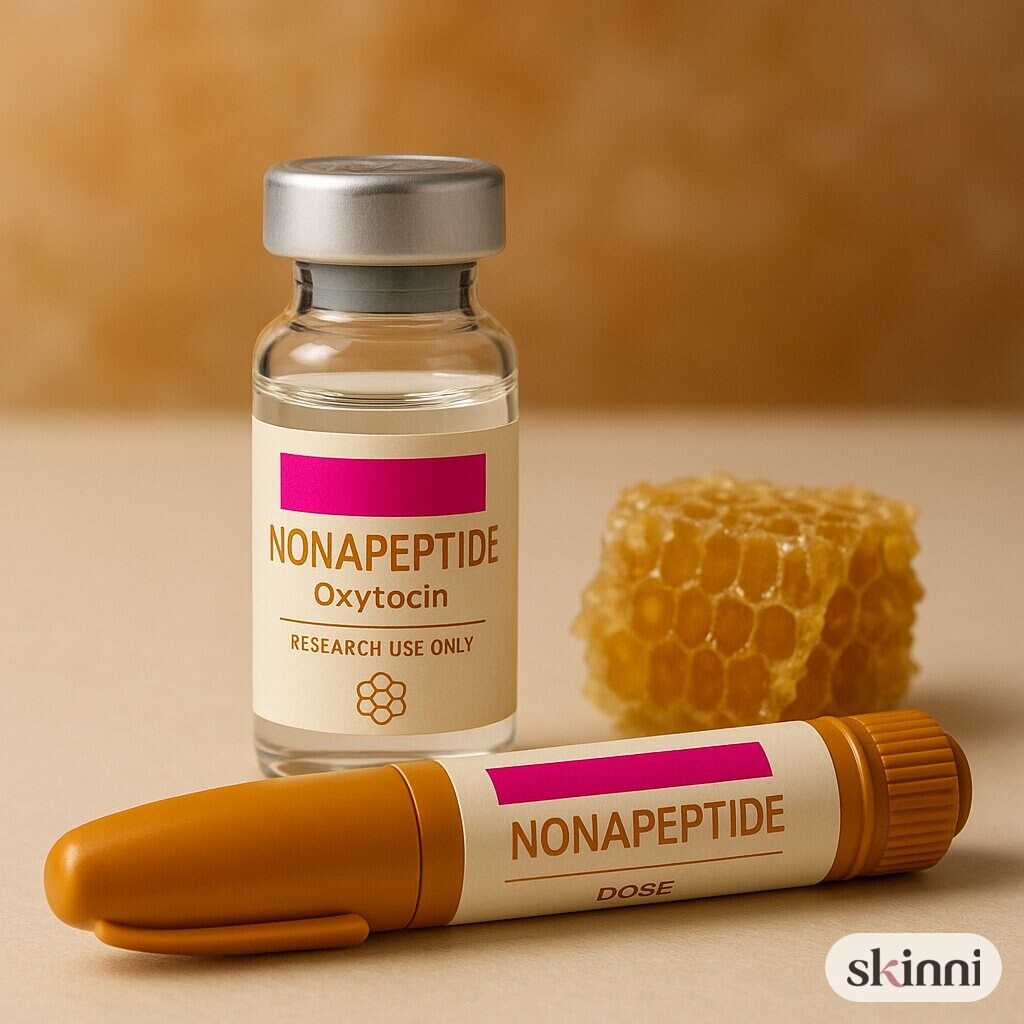
NONAPEPTIDE
Oxytocin
Studied in neuroendocrine research covering receptor distribution and affiliative-behaviour models.

RECONNECT
PT-141 (Bremelanotide)
Studied as a melanocortin-receptor agonist in central nervous system signalling research.

HERALD
Sermorelin
Studied as a growth-hormone-releasing-hormone analog in pituitary secretion and GH/IGF-1 axis models.

VERDICT
Tesamorelin
Studied as a stabilised GHRH analog in GH-axis research, including adipose-tissue distribution models.
Endocrine research
What the published literature on these compounds actually examined — the model, the endpoint, and the result.
Endocrine
The growth-hormone axis, and four ways to poke it
GHRH analogues and ghrelin-receptor secretagogues act on different receptors with different consequences for pulsatility. The distinction is the whole subject.
Endocrine
Upstream of GnRH: kisspeptin, and the oxytocin comparison
Kisspeptin sits above the classical reproductive axis and was identified through a human genetic disorder. Oxytocin is the opposite case — long known, recently complicated.