The catalog
Find your compound
30 compounds across 7 research areas, in 134 formats. Identity, CAS number, formula and available sizes are published openly for every one — reference pricing and case packs open with a verified account.
Browse by what the research targets.
Regenerative
Skin, hair and tissue-repair research
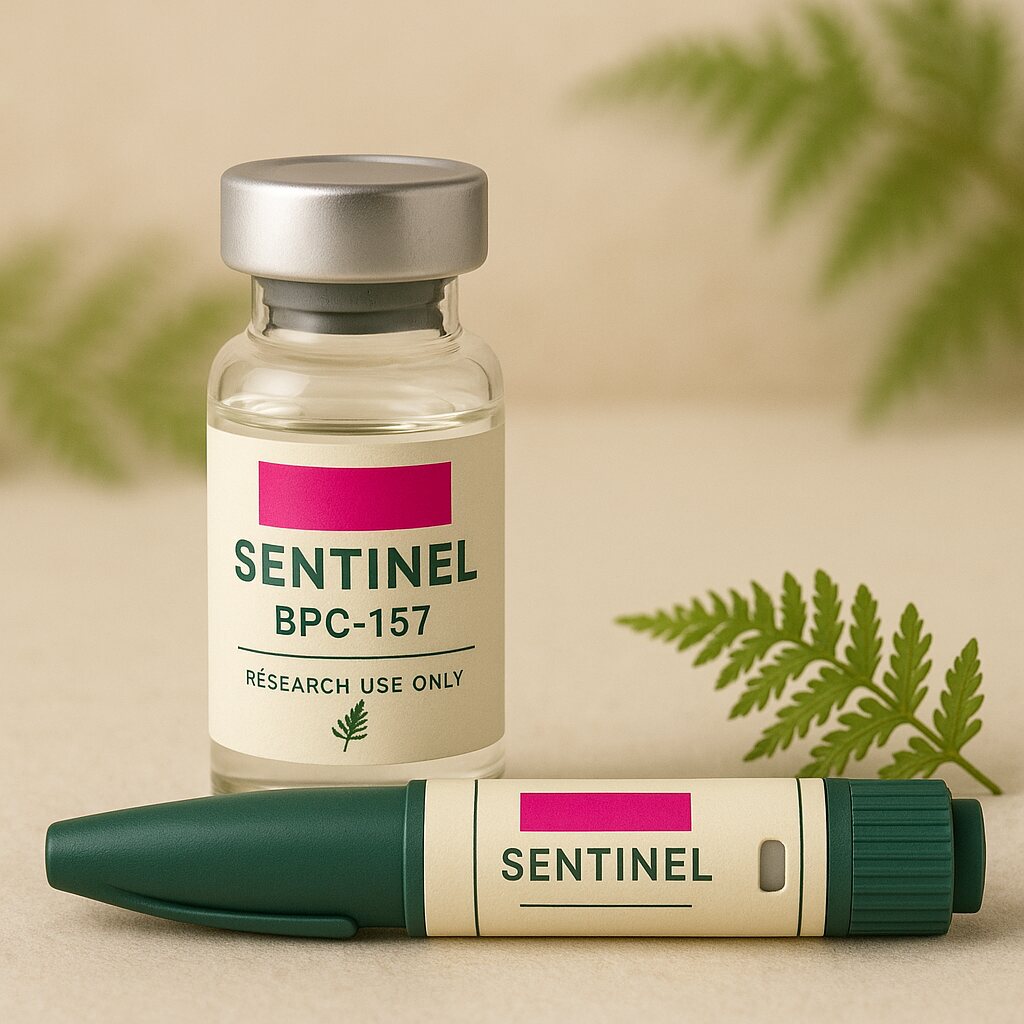
SENTINEL
BPC-157
Studied in soft-tissue and gastrointestinal repair models, and in angiogenesis signalling.
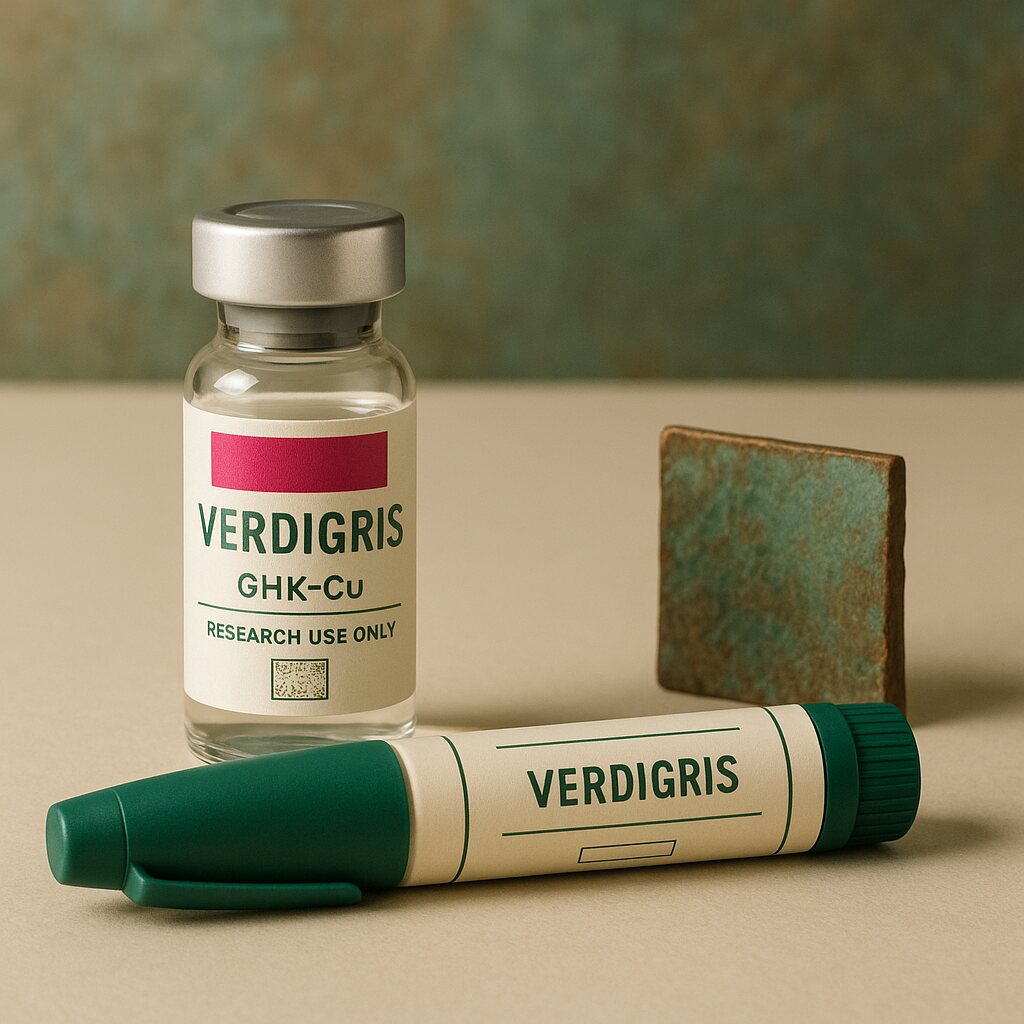
VERDIGRIS
GHK-Cu
Studied in dermal fibroblast models for extracellular-matrix and collagen signalling, and in follicular research.
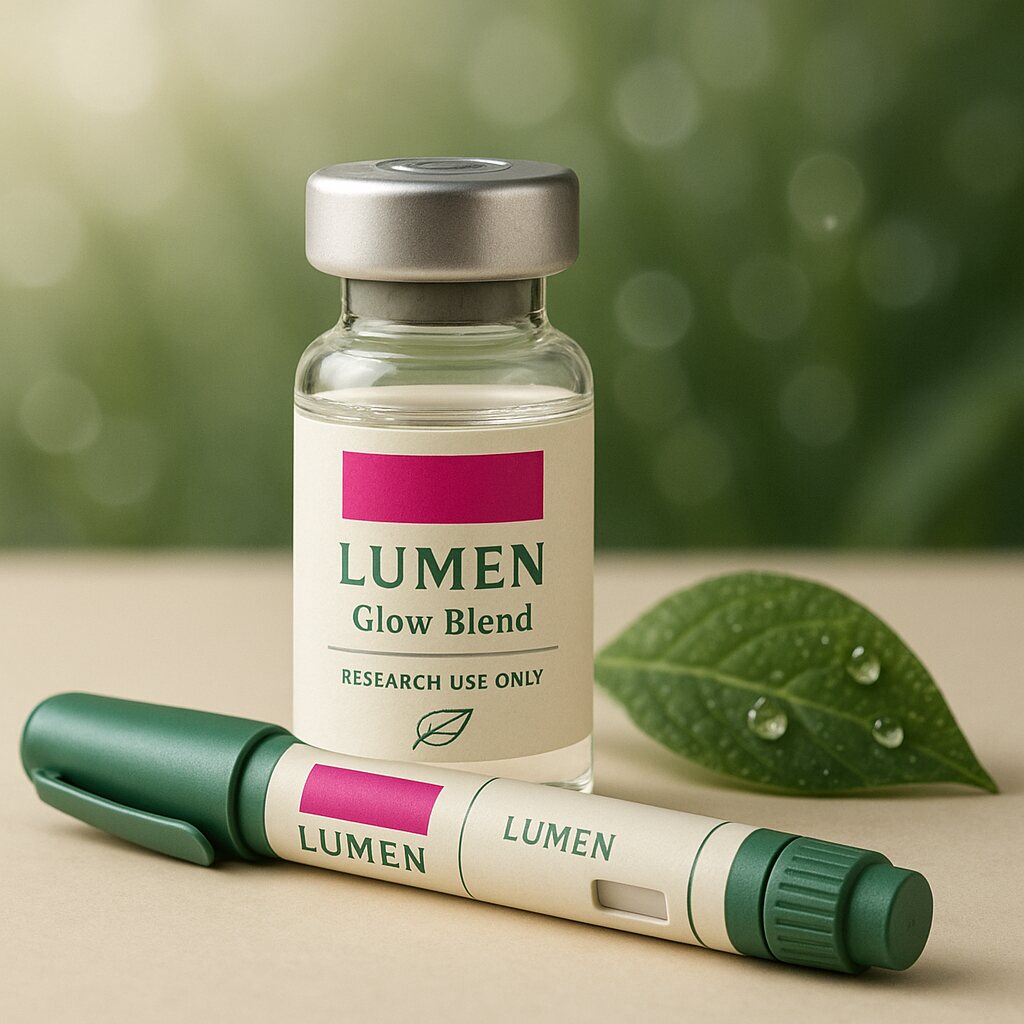
LUMEN
Glow Blend
Supplied as a single reconstitution for protocols that study GHK-Cu, BPC-157 and TB-500 together in skin and repair models.
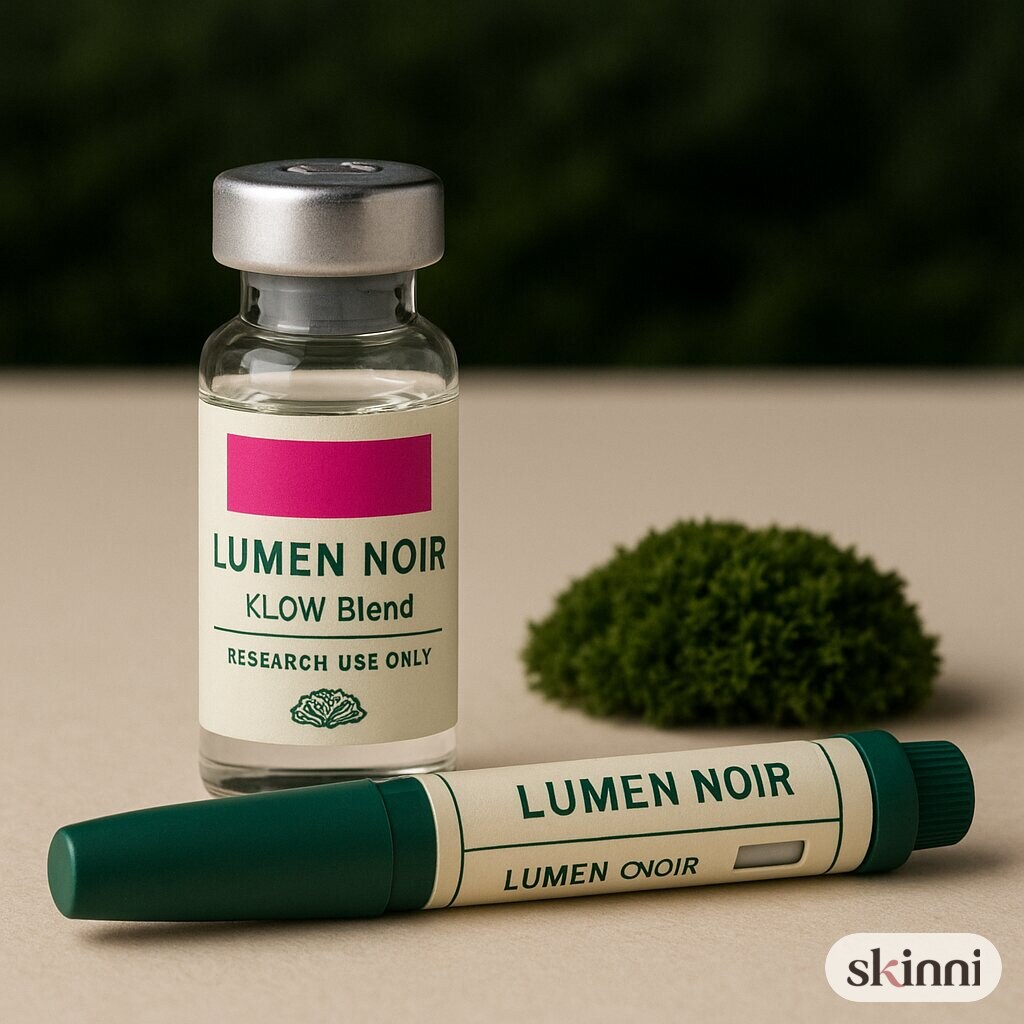
LUMEN NOIR
KLOW Blend
Supplied as a single reconstitution for protocols that study GHK-Cu, TB-500, BPC-157 and KPV together.
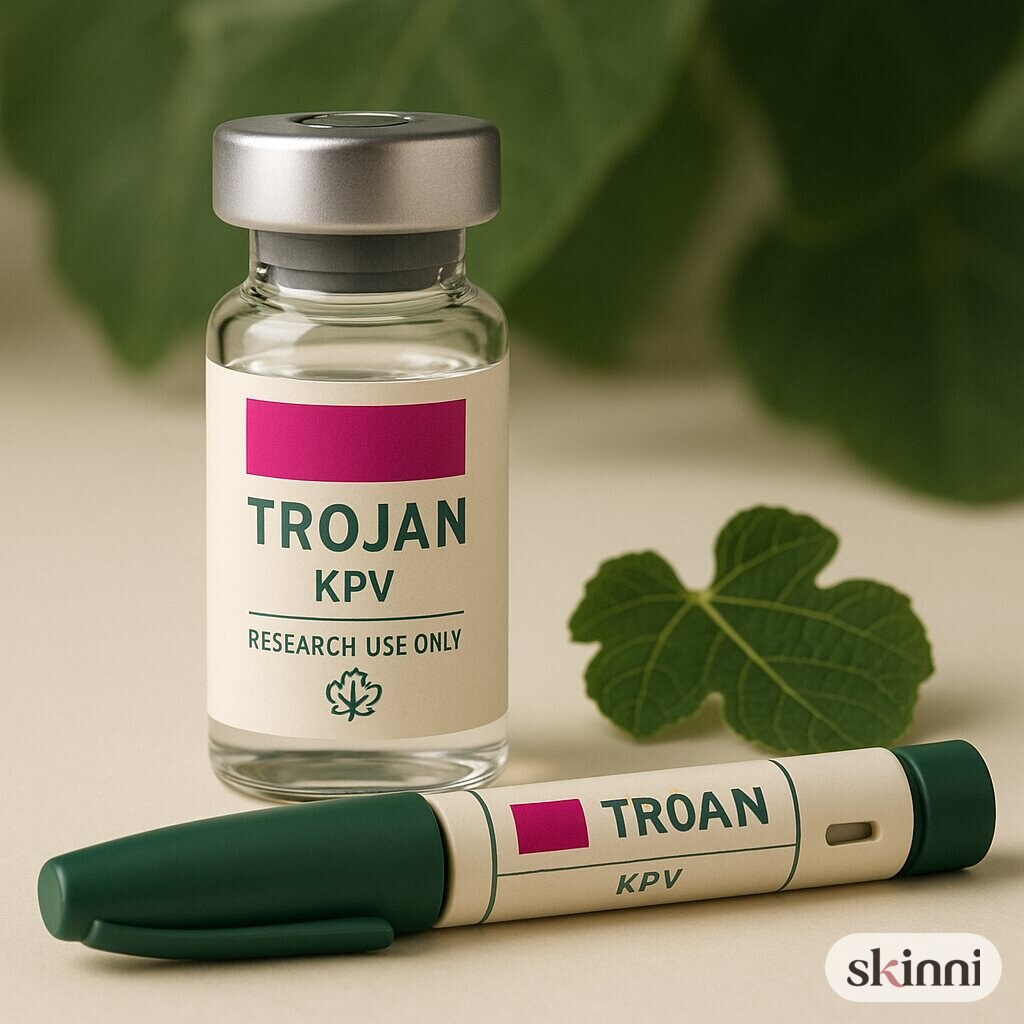
TROJAN
KPV
Studied in cutaneous and intestinal inflammatory models for its anti-inflammatory signalling.
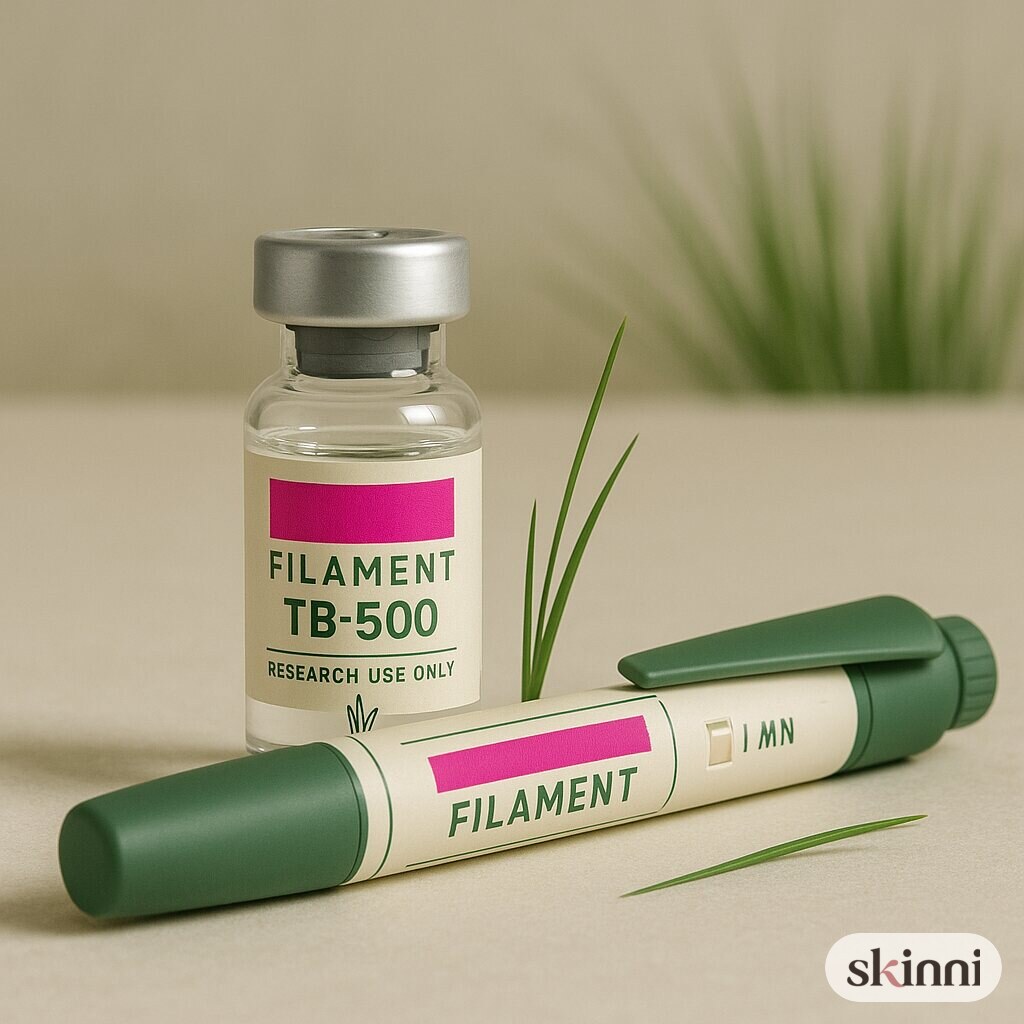
FILAMENT
TB-500
Studied in actin-regulation and cell-migration pathways relevant to tissue-repair research.

ADAMANT
Wolverine Blend
Supplied as a single reconstitution for repair-model protocols that study BPC-157 and TB-500 in combination.
Endocrine
Growth-hormone axis and hormonal signalling research
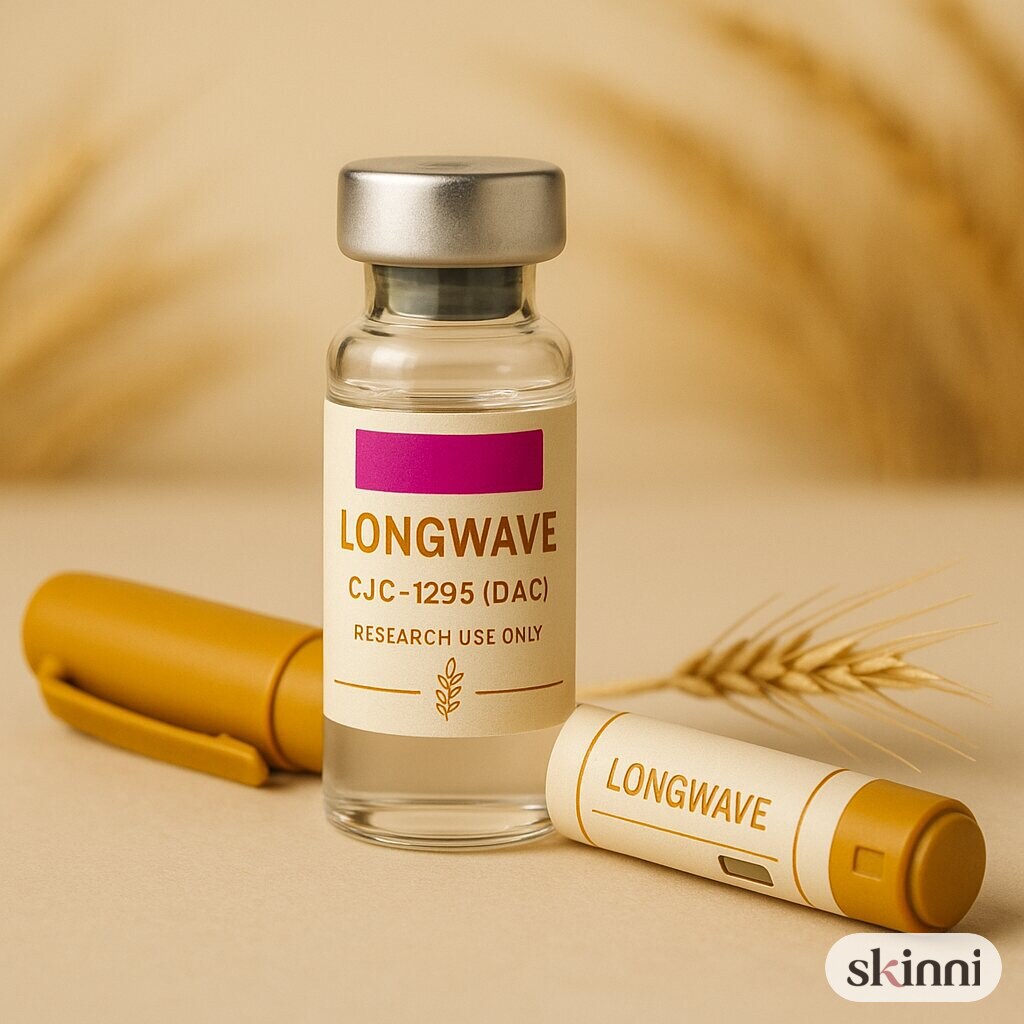
LONGWAVE
CJC-1295 (DAC)
Studied for its extended half-life relative to the no-DAC form in GH-axis research models.
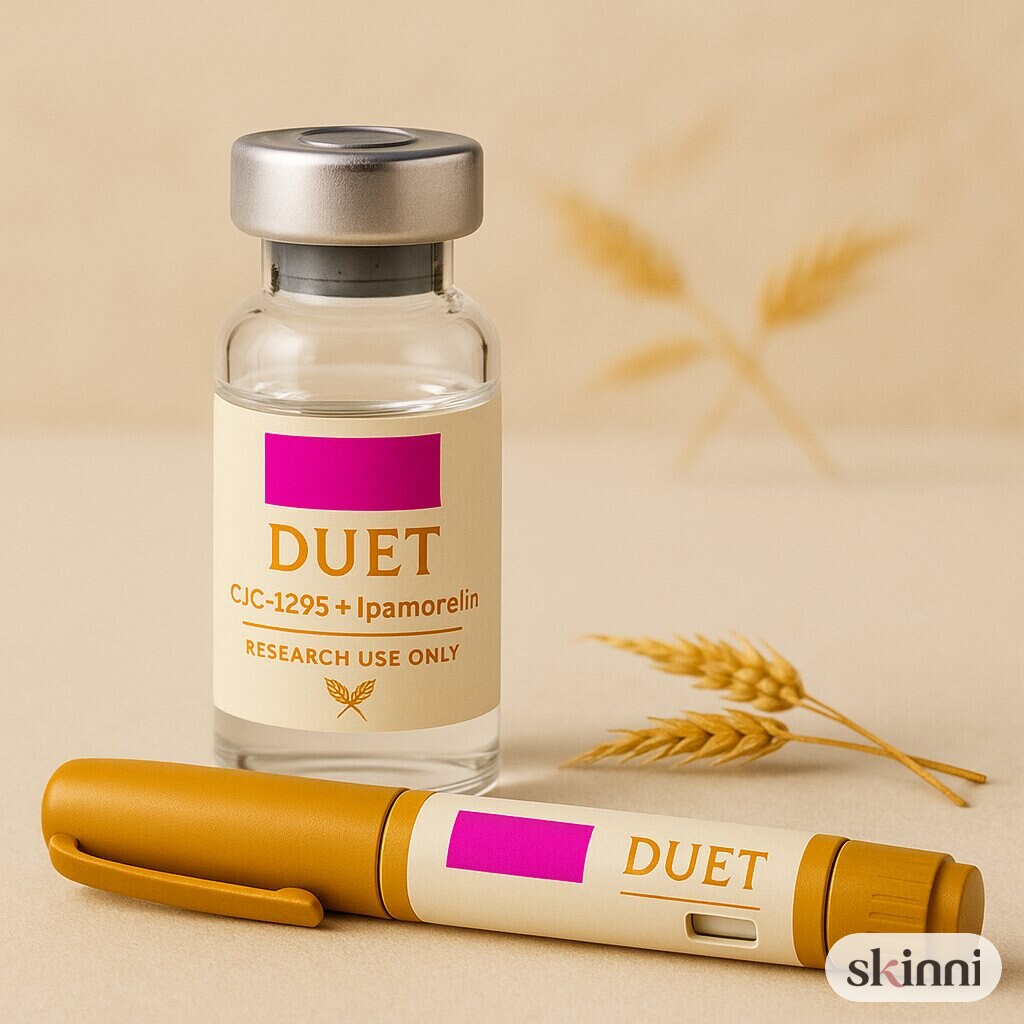
DUET
CJC-1295 + Ipamorelin
Supplied as a single reconstitution for protocols that study a GHRH analog alongside a selective secretagogue.
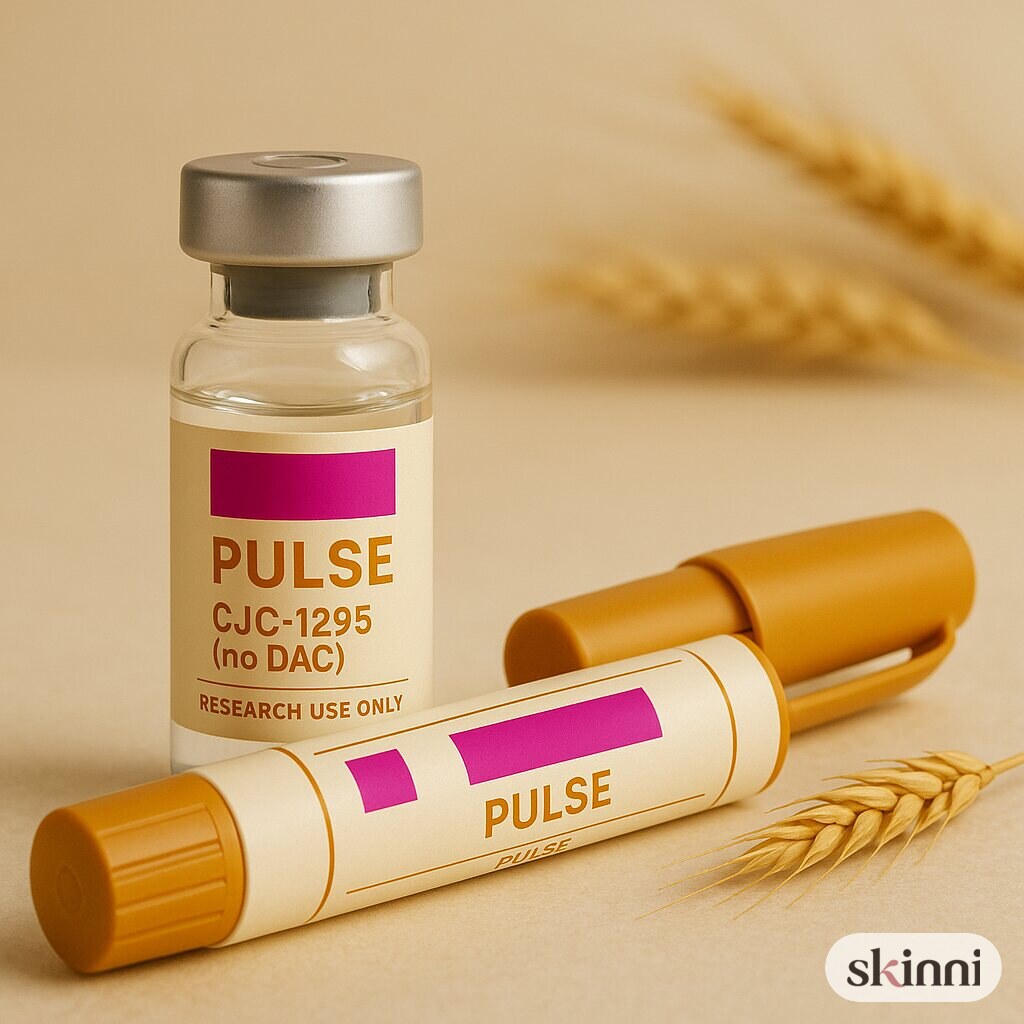
PULSE
CJC-1295 (no DAC)
Studied for its short-acting pulsatile profile on the GH/IGF-1 axis in endocrine research models.
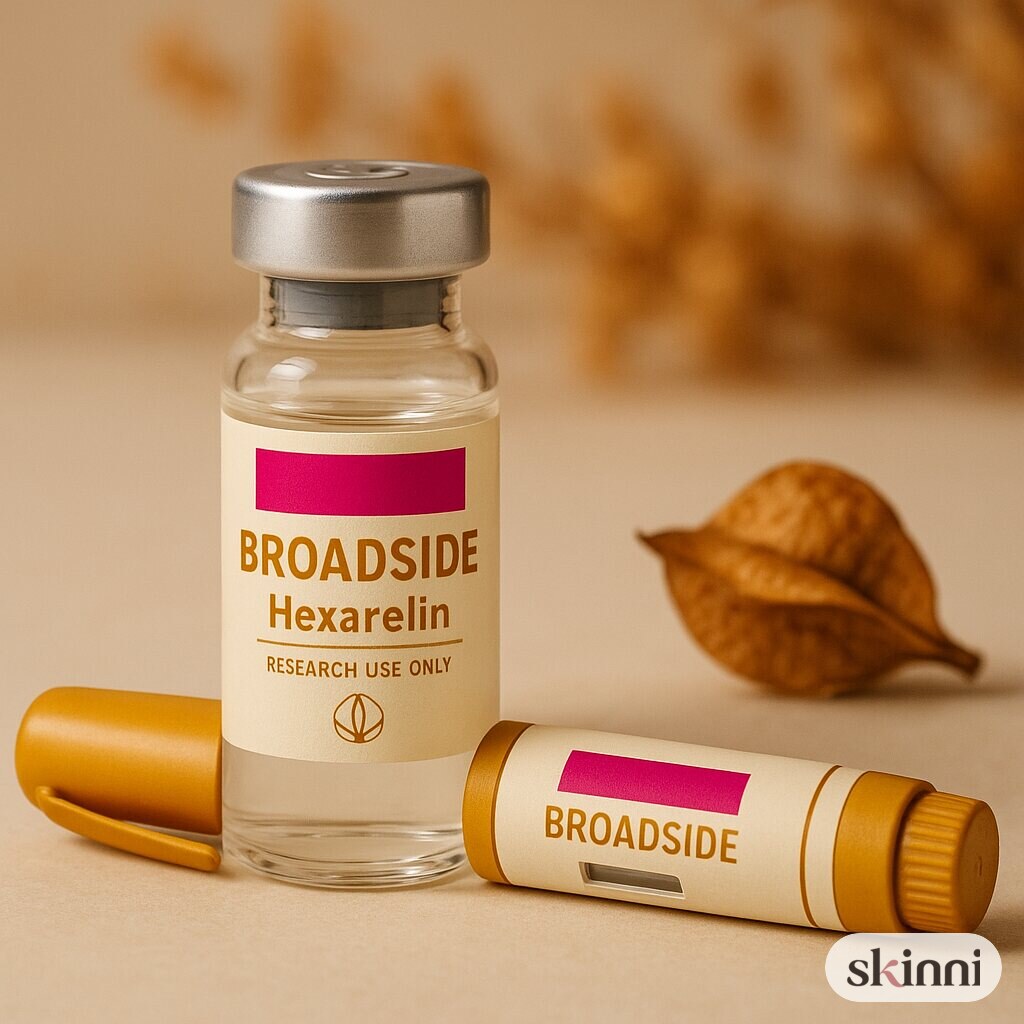
BROADSIDE
Hexarelin
Studied in growth-hormone secretagogue receptor models, including cardiac-tissue receptor research.
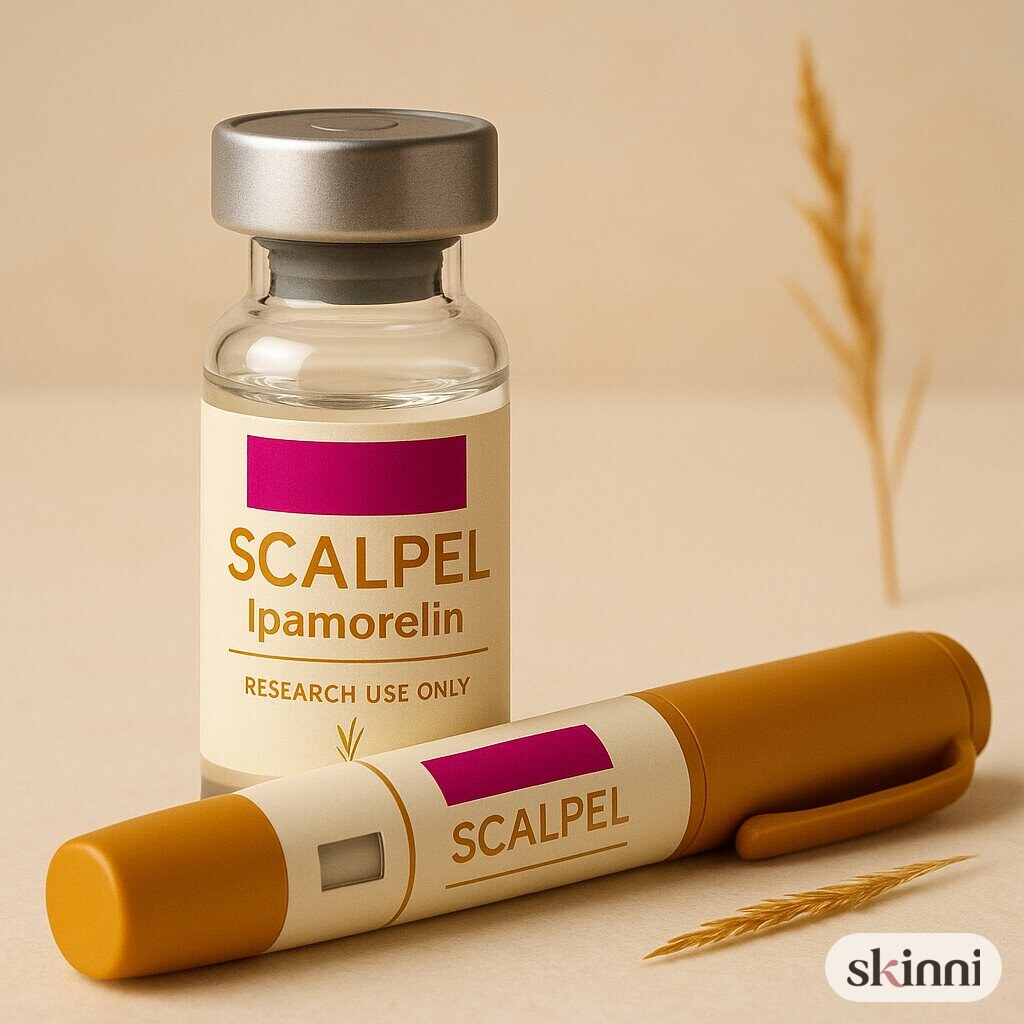
SCALPEL
Ipamorelin
Studied for high selectivity at the ghrelin receptor with minimal cross-reactivity in secretagogue-receptor panels.
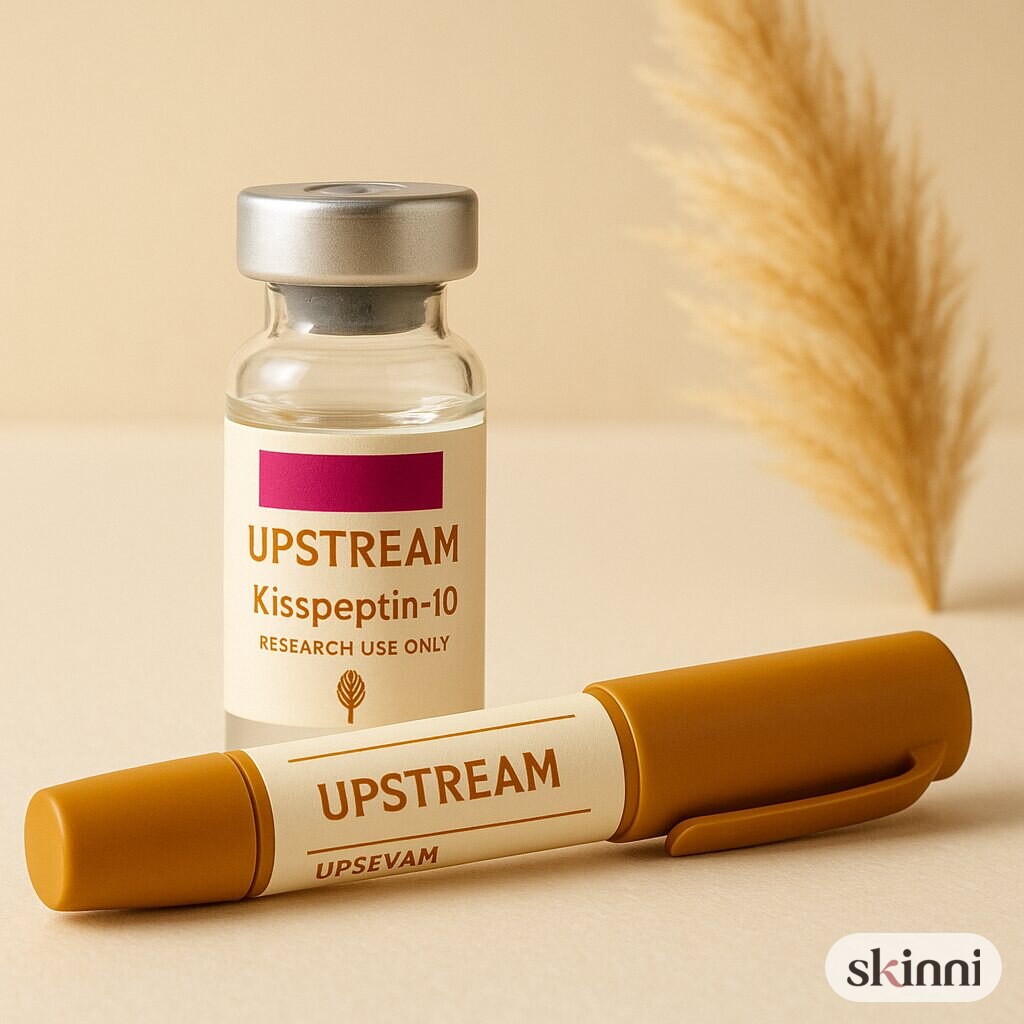
UPSTREAM
Kisspeptin-10
Studied in hypothalamic-pituitary-gonadal axis research as an upstream regulator of GnRH release.
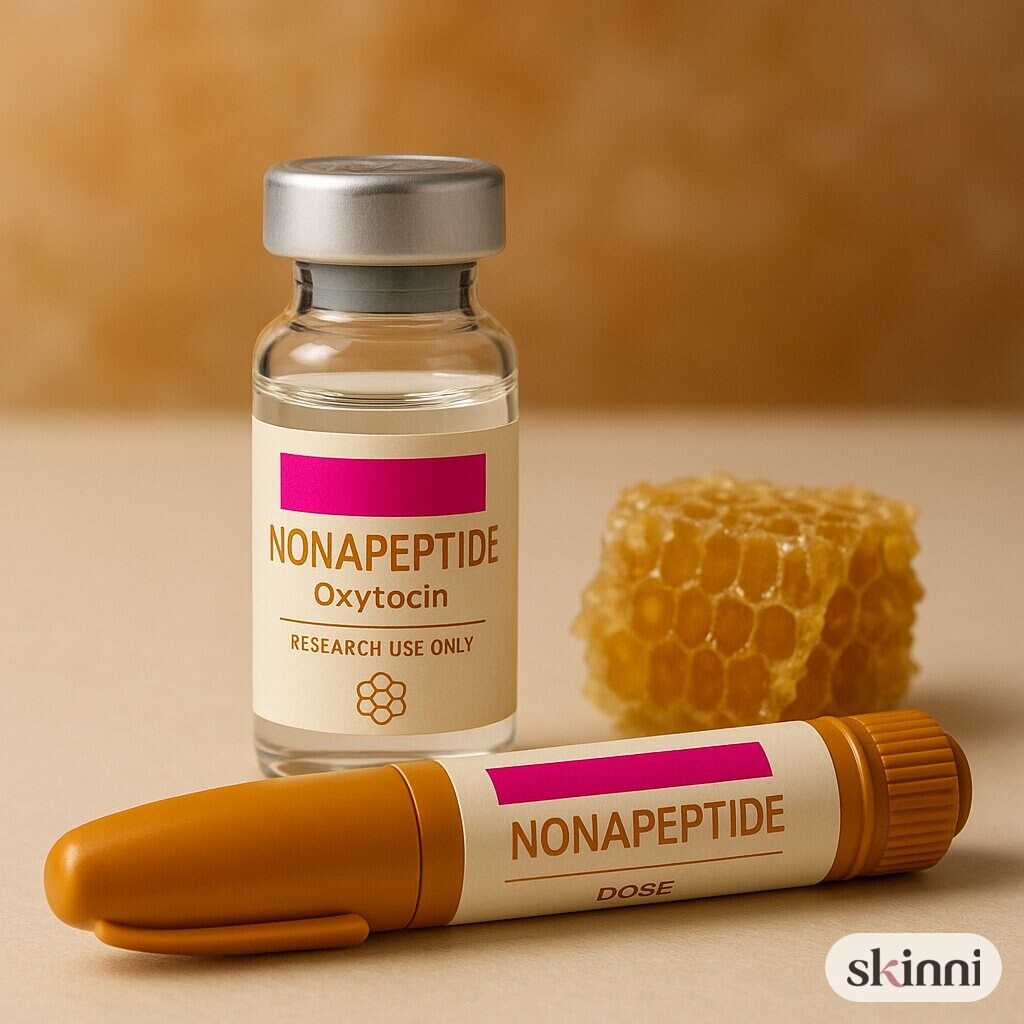
NONAPEPTIDE
Oxytocin
Studied in neuroendocrine research covering receptor distribution and affiliative-behaviour models.

RECONNECT
PT-141 (Bremelanotide)
Studied as a melanocortin-receptor agonist in central nervous system signalling research.
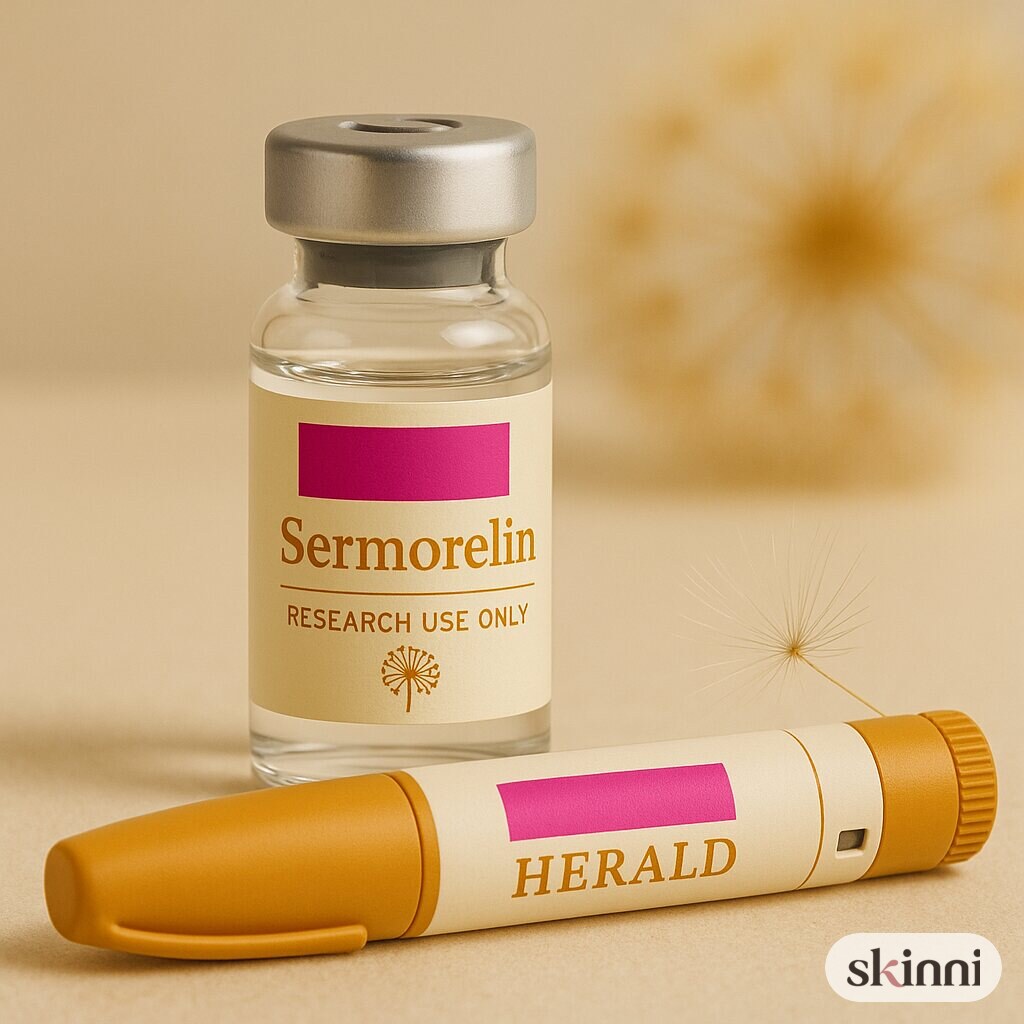
HERALD
Sermorelin
Studied as a growth-hormone-releasing-hormone analog in pituitary secretion and GH/IGF-1 axis models.
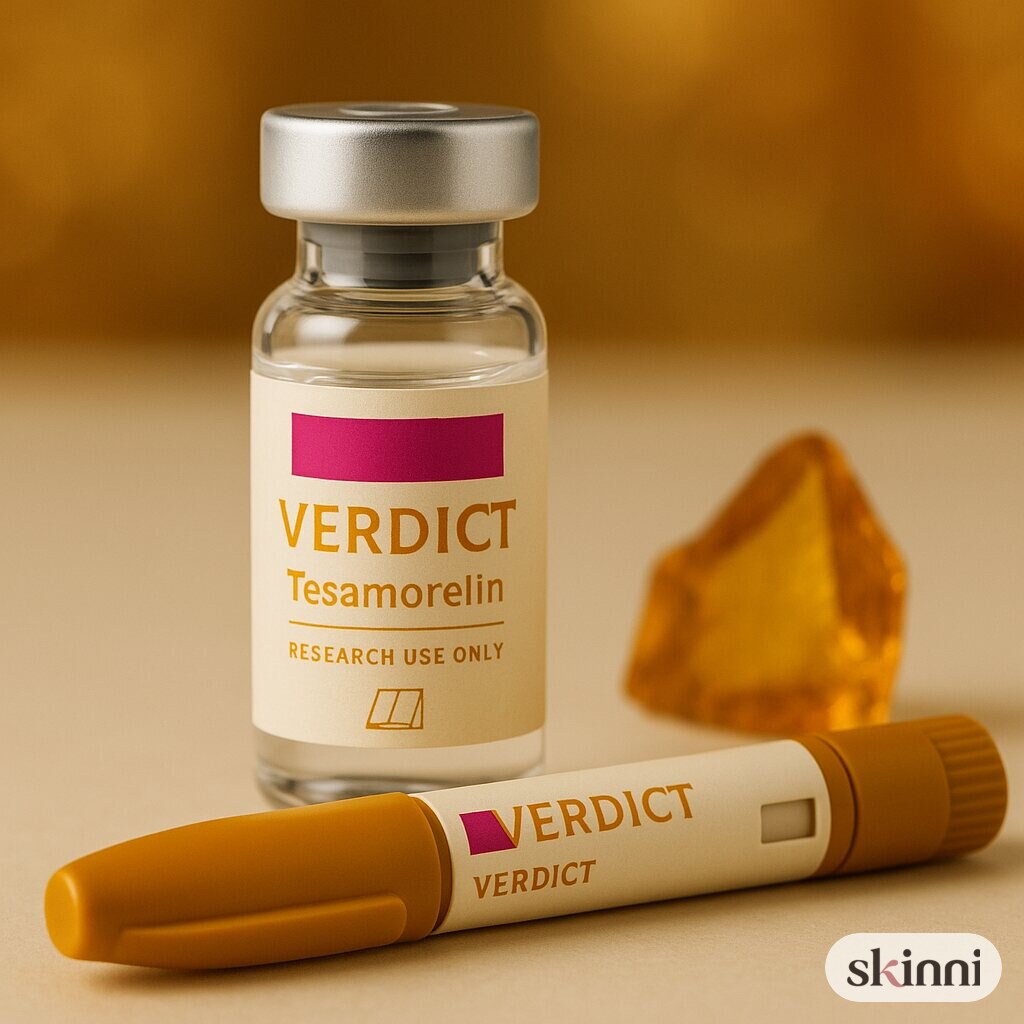
VERDICT
Tesamorelin
Studied as a stabilised GHRH analog in GH-axis research, including adipose-tissue distribution models.
Metabolic
Energy, appetite and metabolic-signalling research
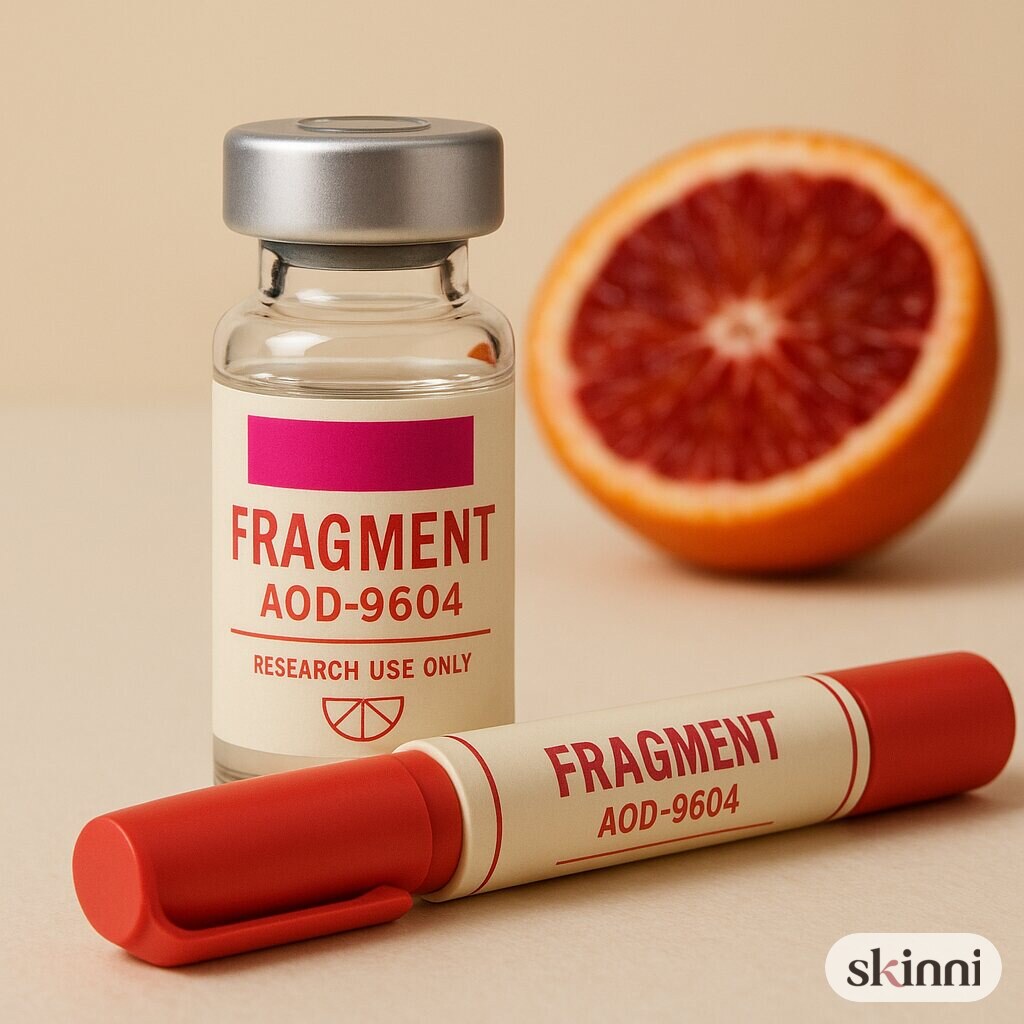
FRAGMENT
AOD-9604
Studied as a C-terminal growth-hormone fragment in adipocyte and lipolysis research models.
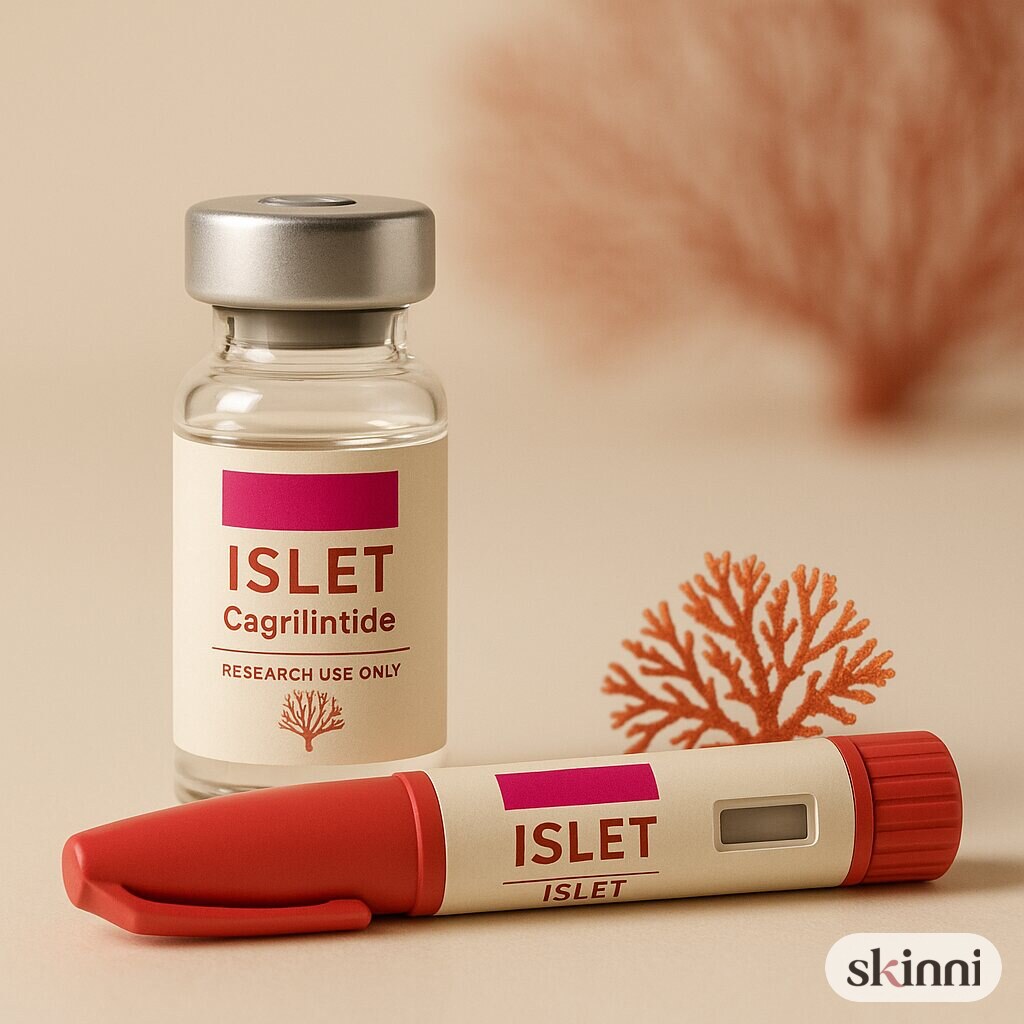
ISLET
Cagrilintide
Studied as an amylin-receptor agonist in satiety and energy-balance research models.
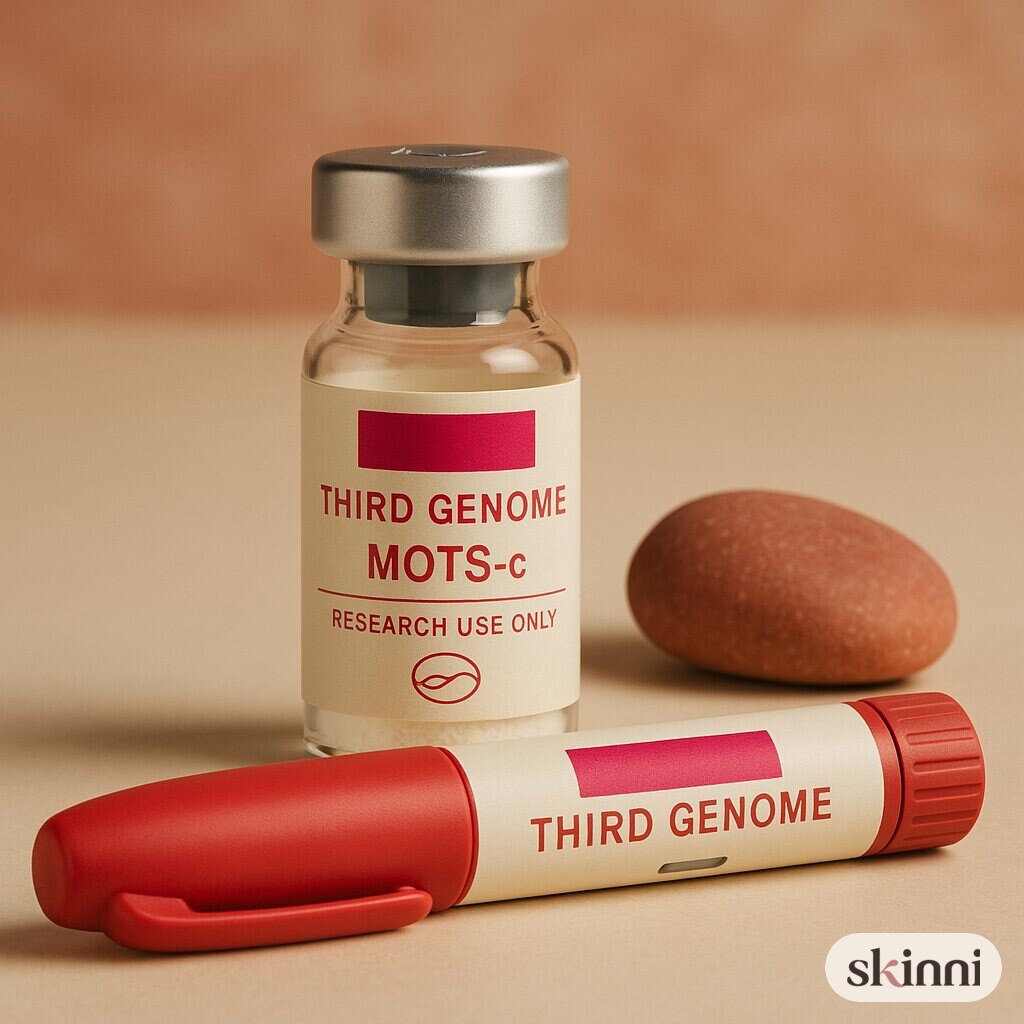
THIRD GENOME
MOTS-c
Studied as a mitochondrial-derived peptide in AMPK signalling and metabolic-homeostasis models.
Neurobiology
Mood, memory and sleep-architecture research
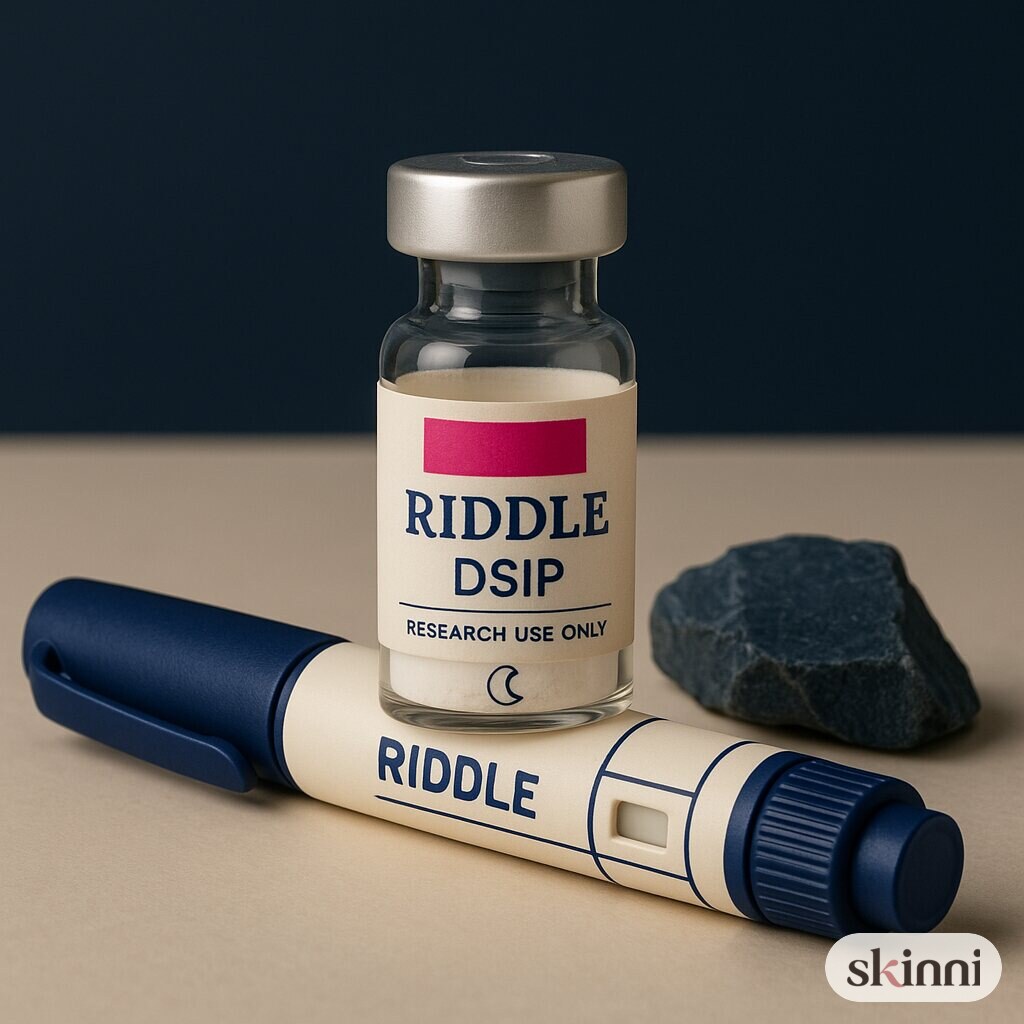
RIDDLE
DSIP
Studied in delta-wave sleep architecture and circadian-regulation models.
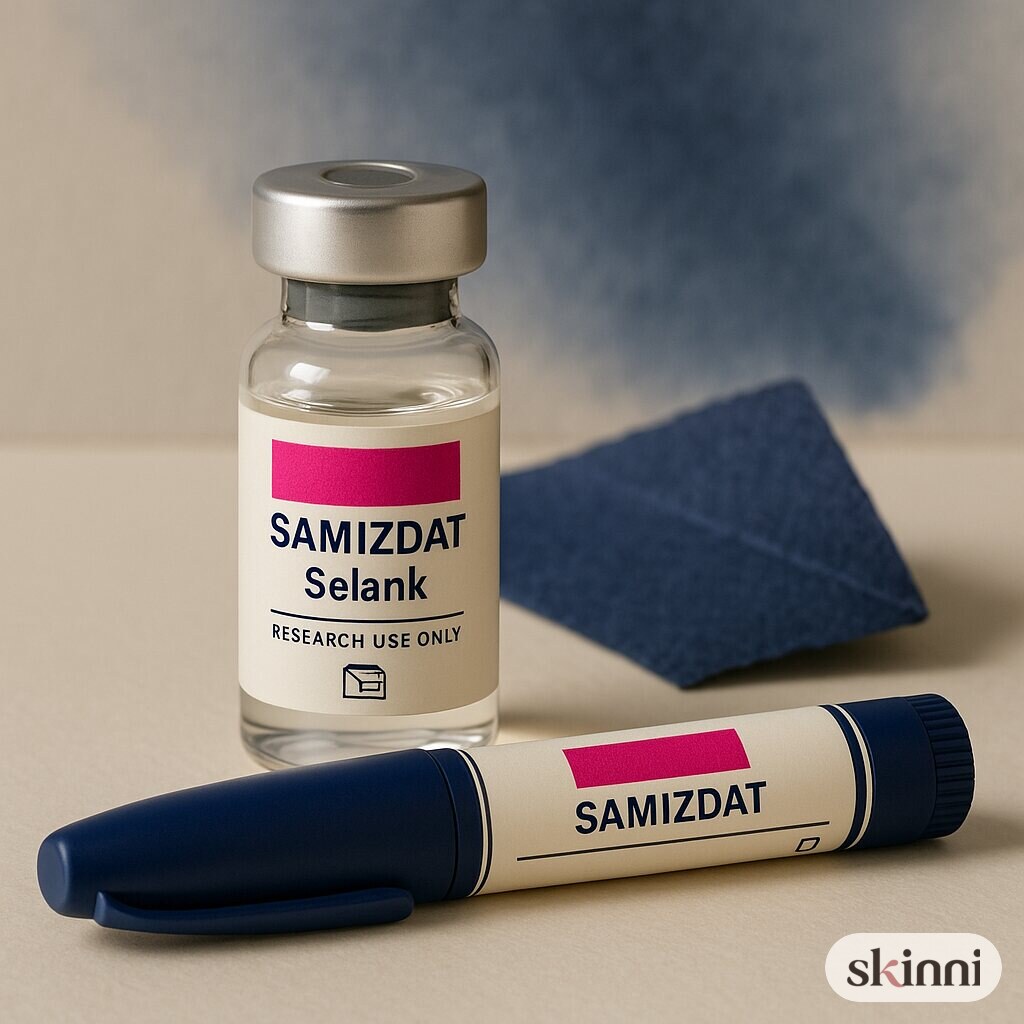
SAMIZDAT
Selank
Studied in anxiolytic animal models and in BDNF-expression research.
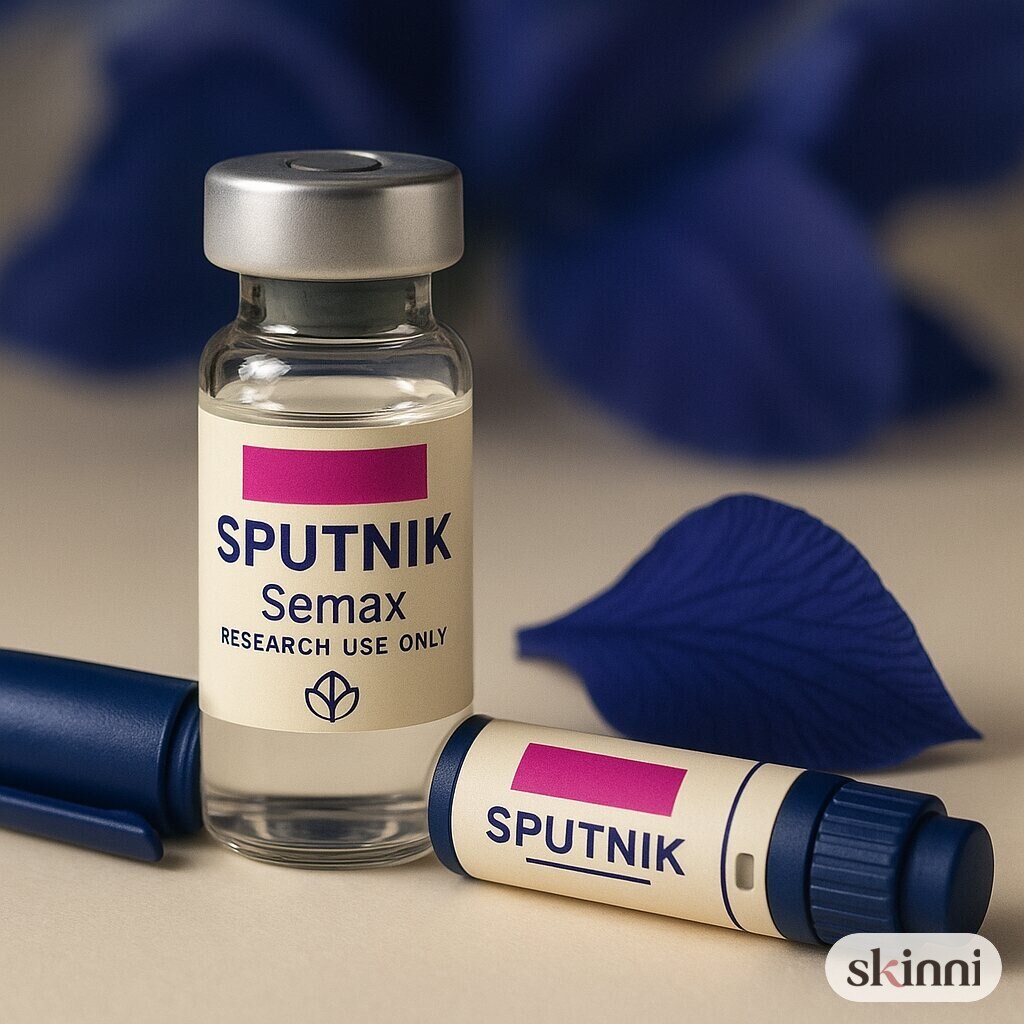
SPUTNIK
Semax
Studied in neurotrophic-factor (BDNF/NGF) expression and cognitive-performance models.
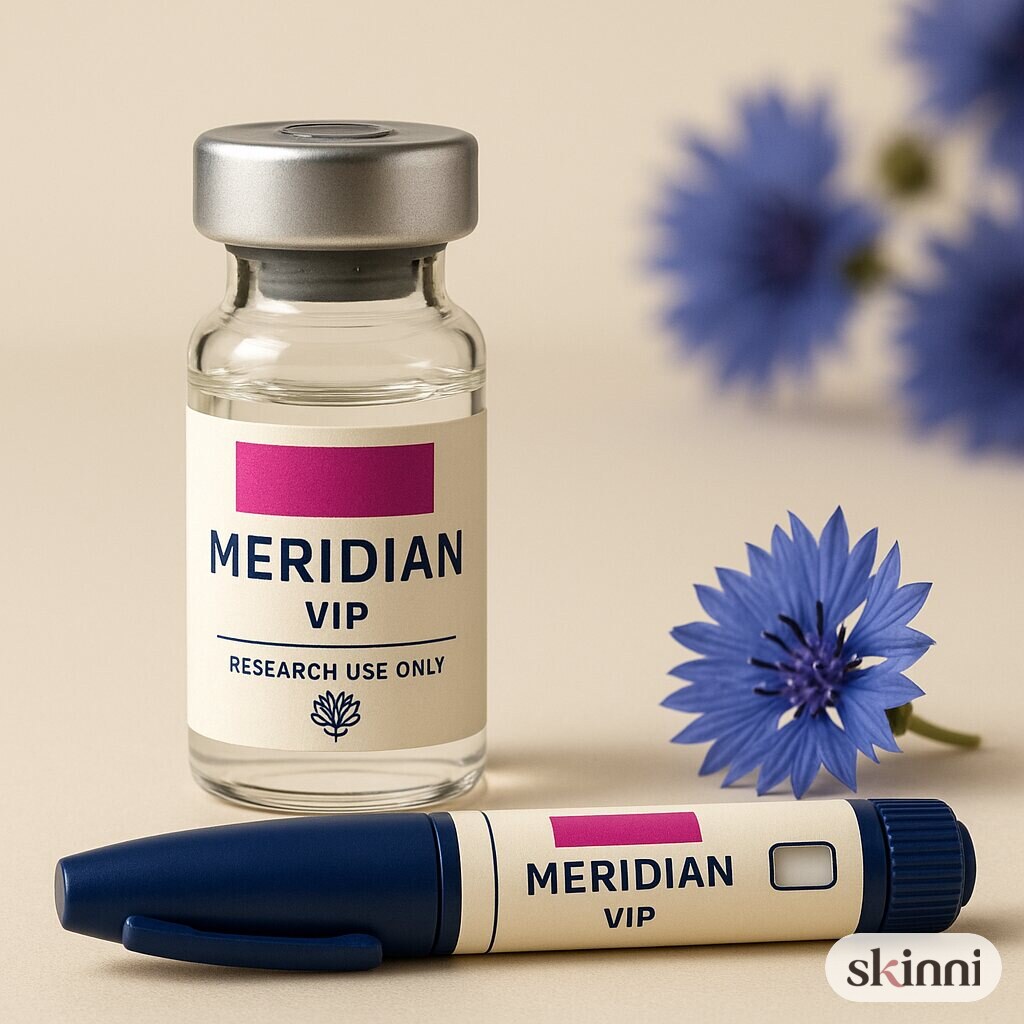
MERIDIAN
VIP
Studied in suprachiasmatic circadian signalling and in pulmonary and immune-modulation models.
Cellular
Mitochondrial, antioxidant and immune-signalling research
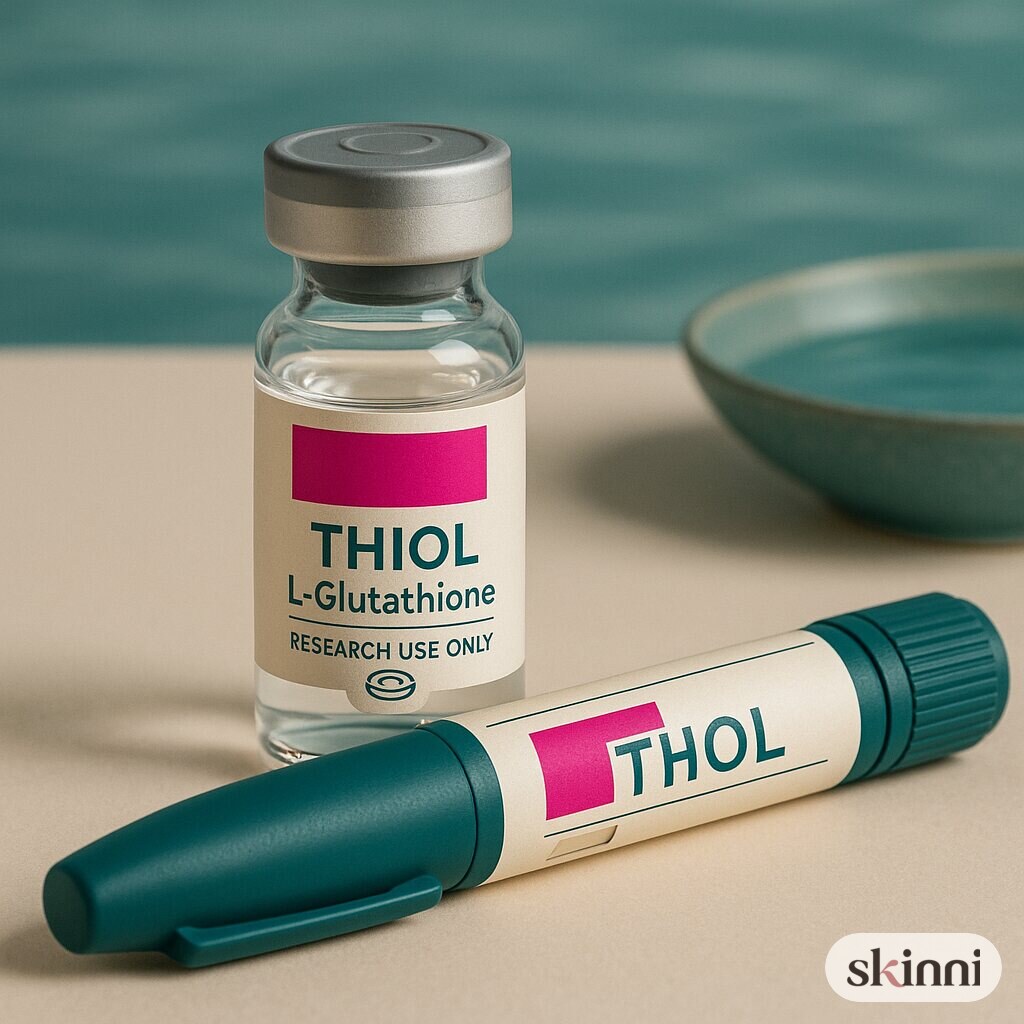
THIOL
L-Glutathione
Studied as the principal intracellular antioxidant in redox-balance and detoxification-pathway research.
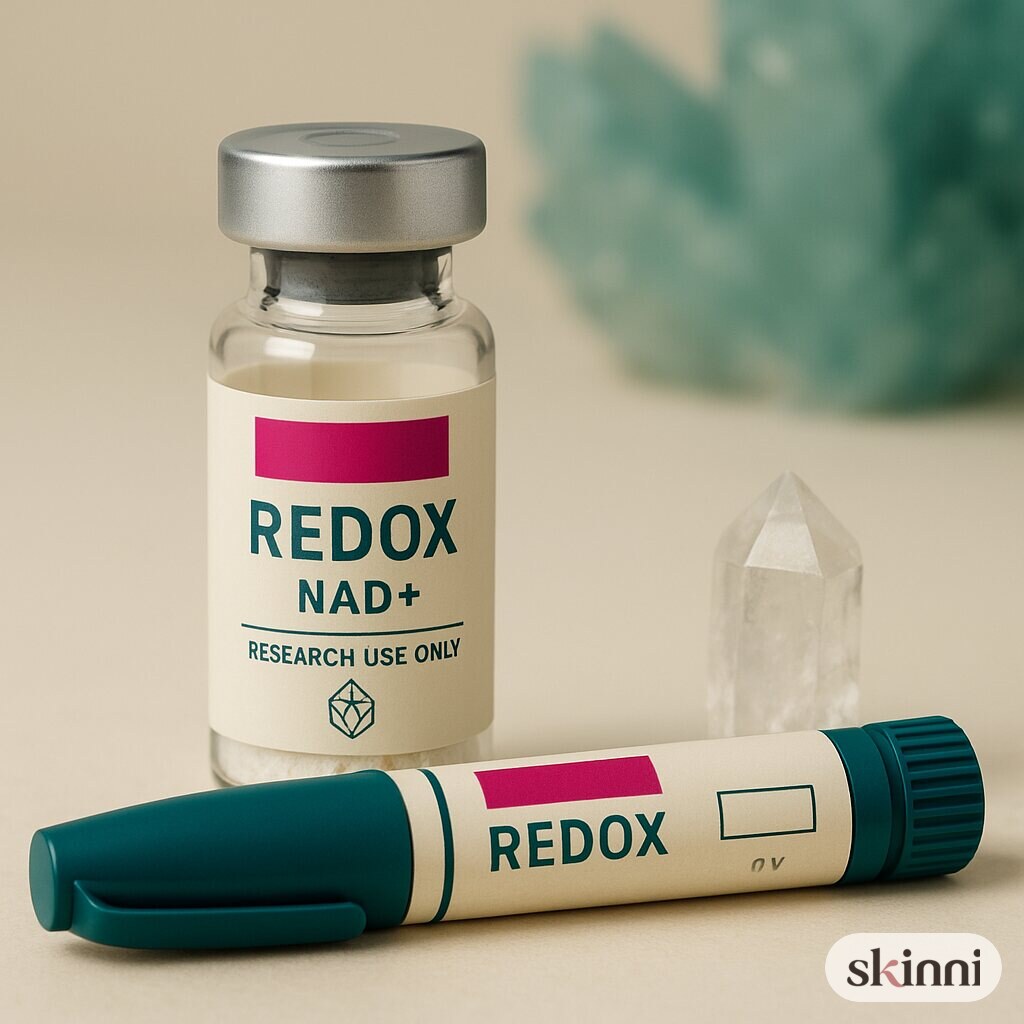
REDOX
NAD+
Studied as a central redox cofactor in mitochondrial metabolism and sirtuin-pathway research.
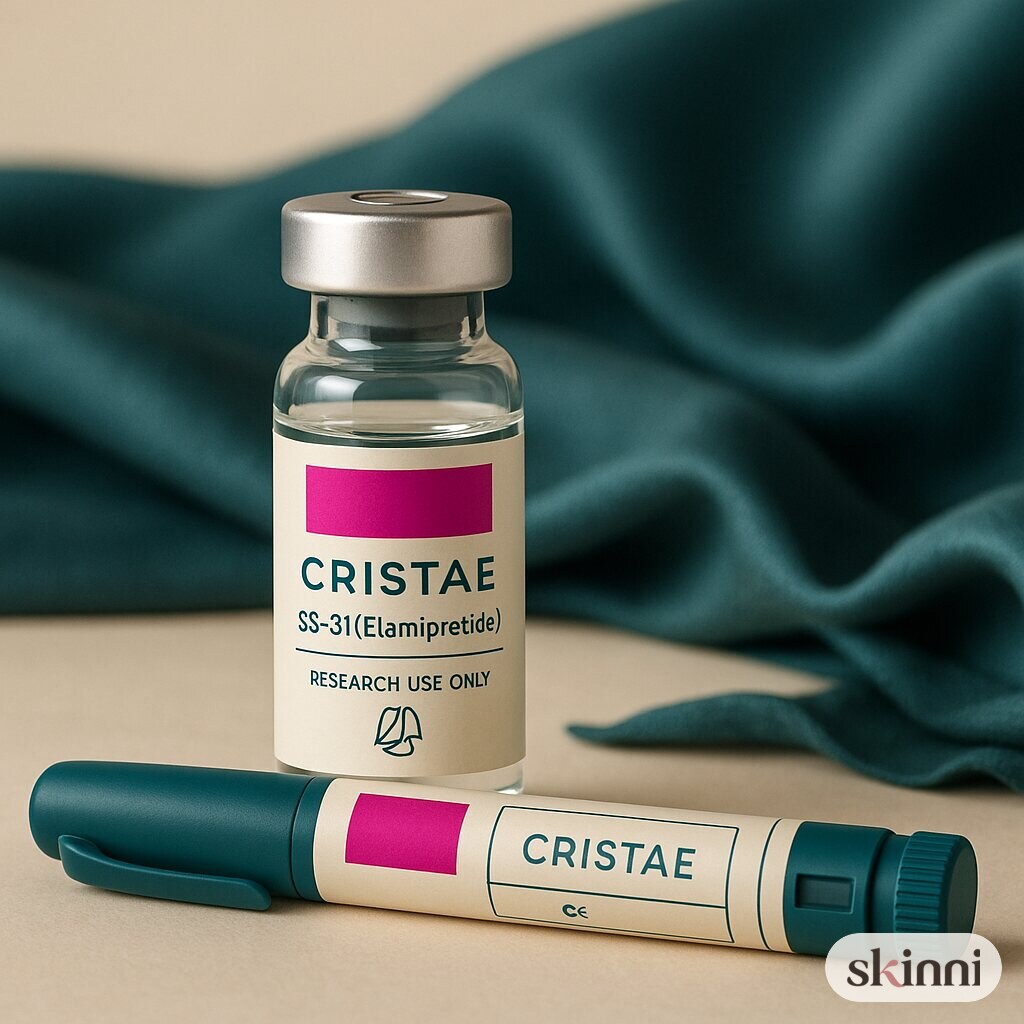
CRISTAE
SS-31 (Elamipretide)
Studied for its association with cardiolipin on the inner mitochondrial membrane in bioenergetics research.
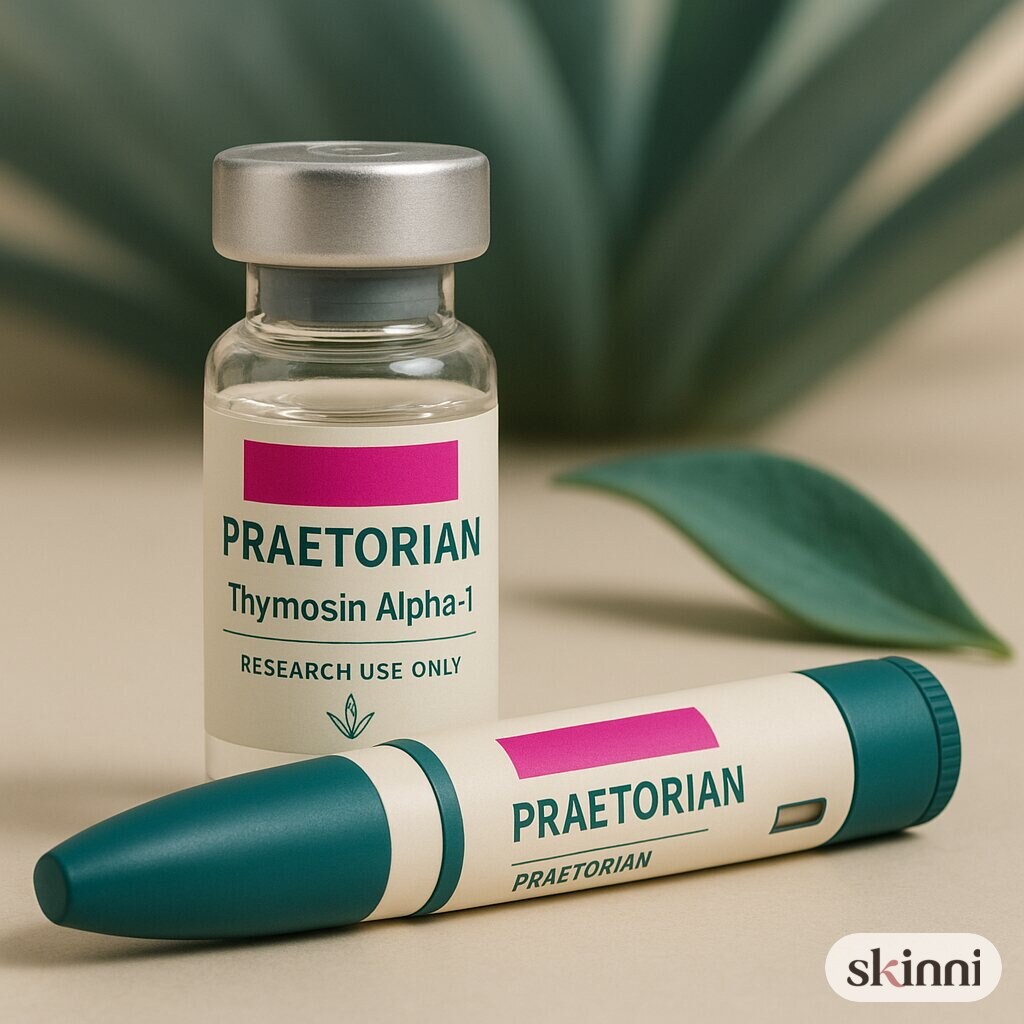
PRAETORIAN
Thymosin Alpha-1
Studied in T-cell maturation and innate immune-signalling research models.
Specialty
Pigmentation and other specialised research targets
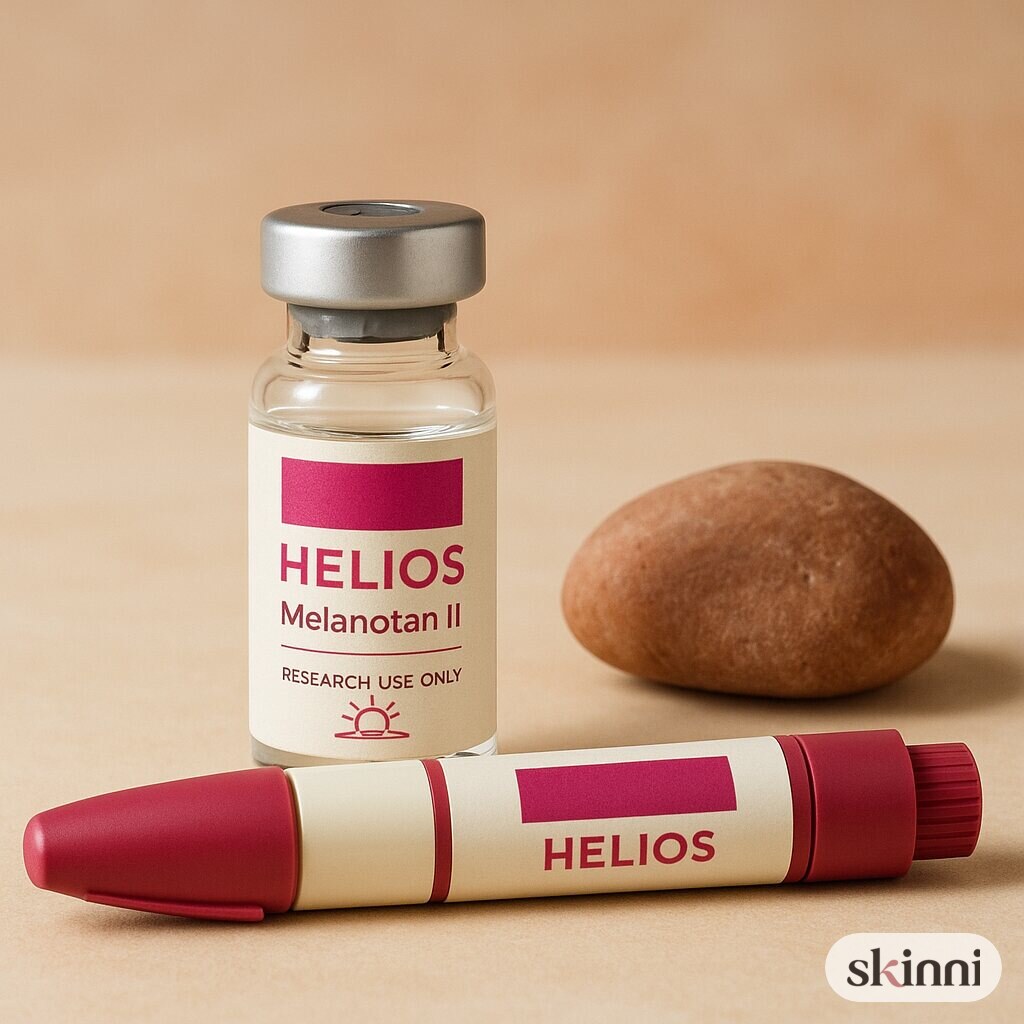
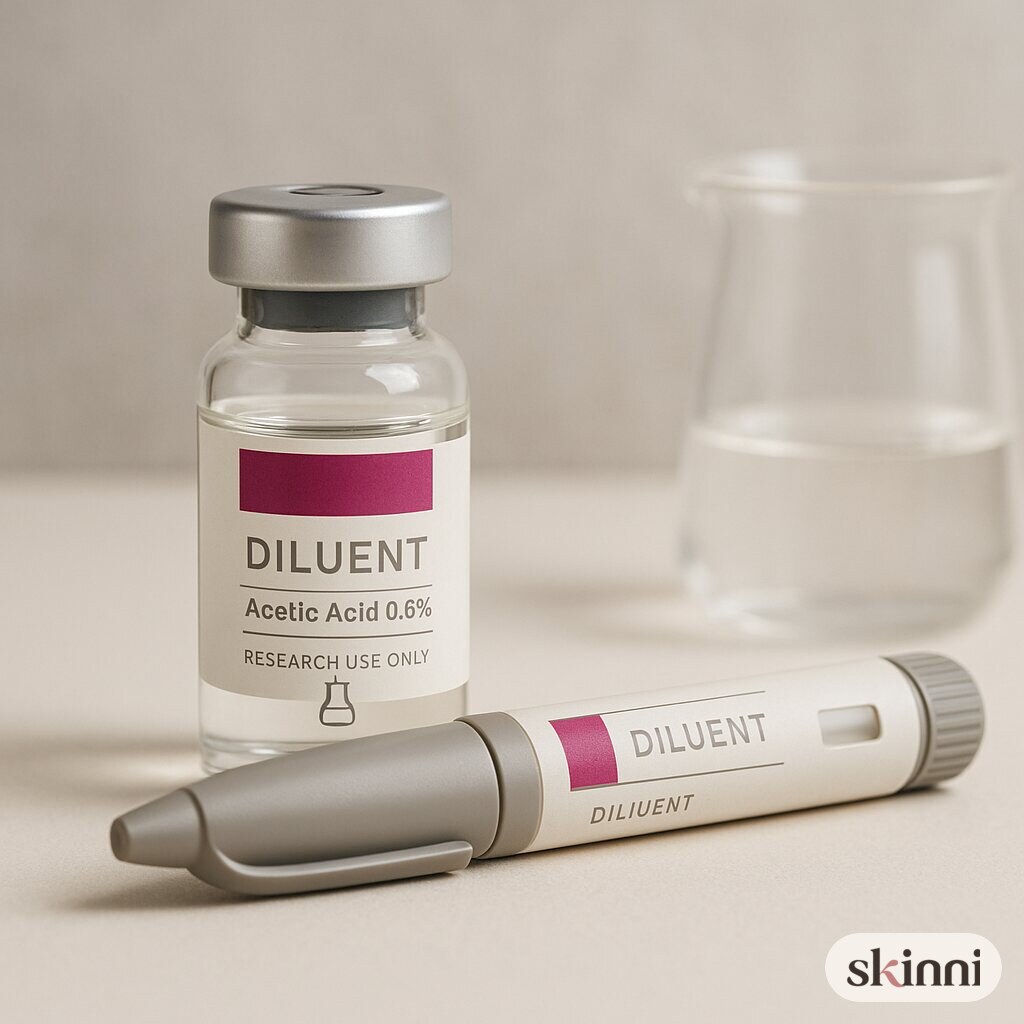
Supplies
Reconstitution solvents and bench consumables
Every compound listed is supplied strictly for in-vitro and laboratory research use by qualified professionals and institutions. None is a drug, dietary supplement or cosmetic, and none is intended for human or veterinary use. Research areas describe what investigators study — not an effect in a person.