
7 compounds
Regenerative
Skin, hair and tissue-repair research
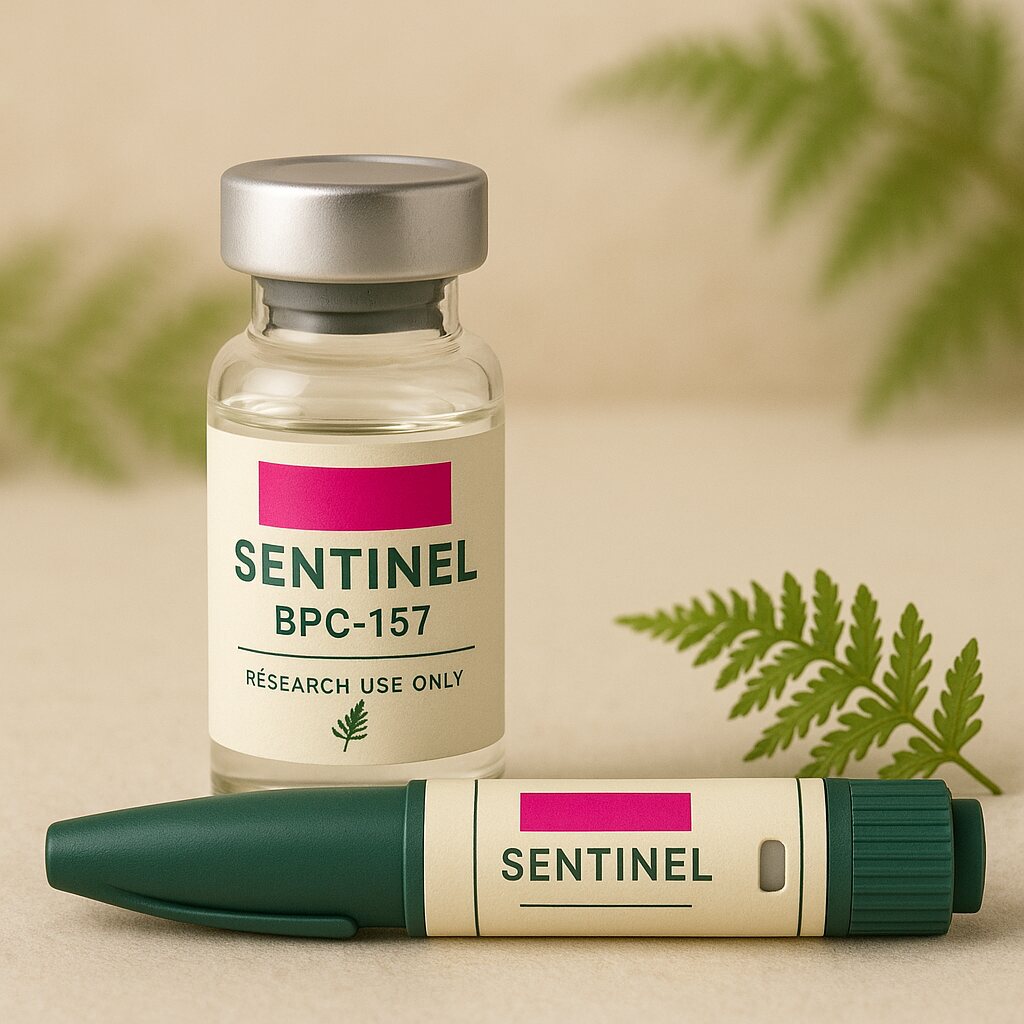
SENTINEL
BPC-157
Studied in soft-tissue and gastrointestinal repair models, and in angiogenesis signalling.
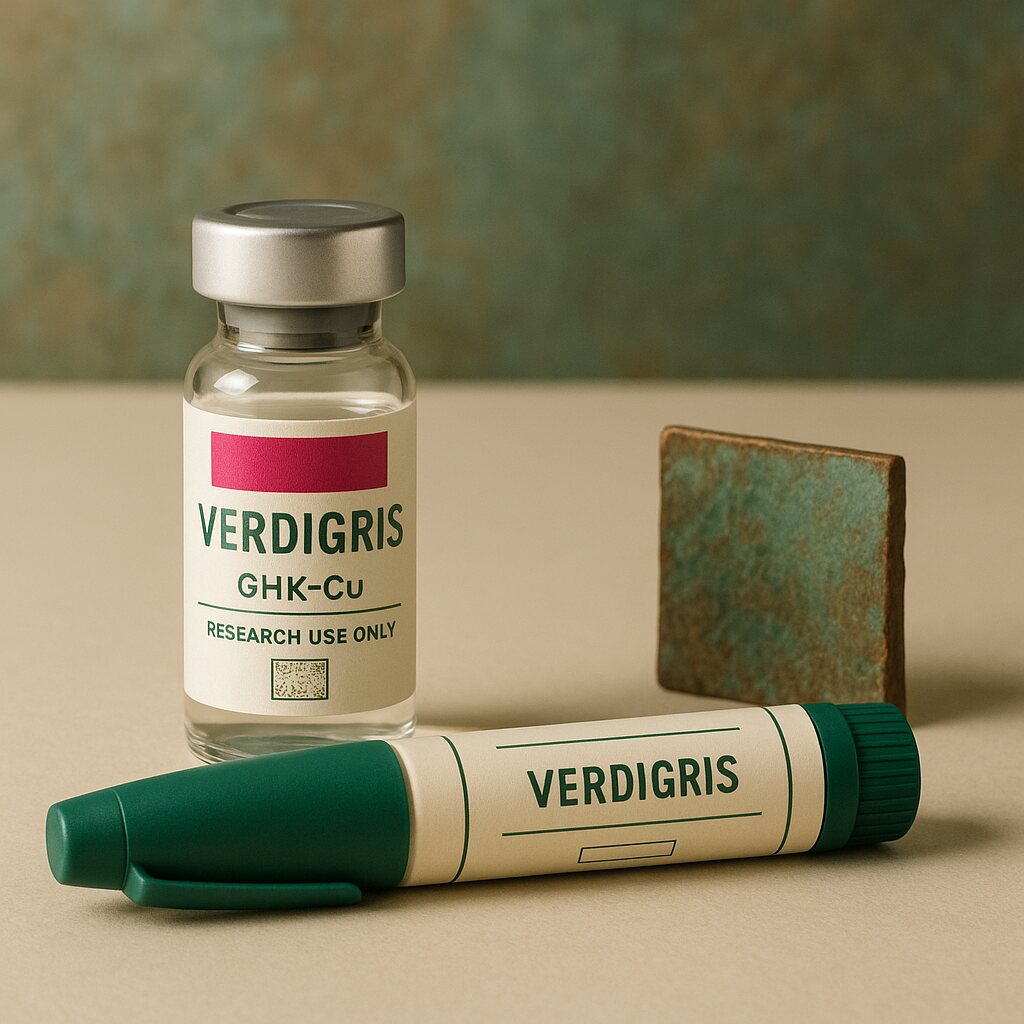
VERDIGRIS
GHK-Cu
Studied in dermal fibroblast models for extracellular-matrix and collagen signalling, and in follicular research.
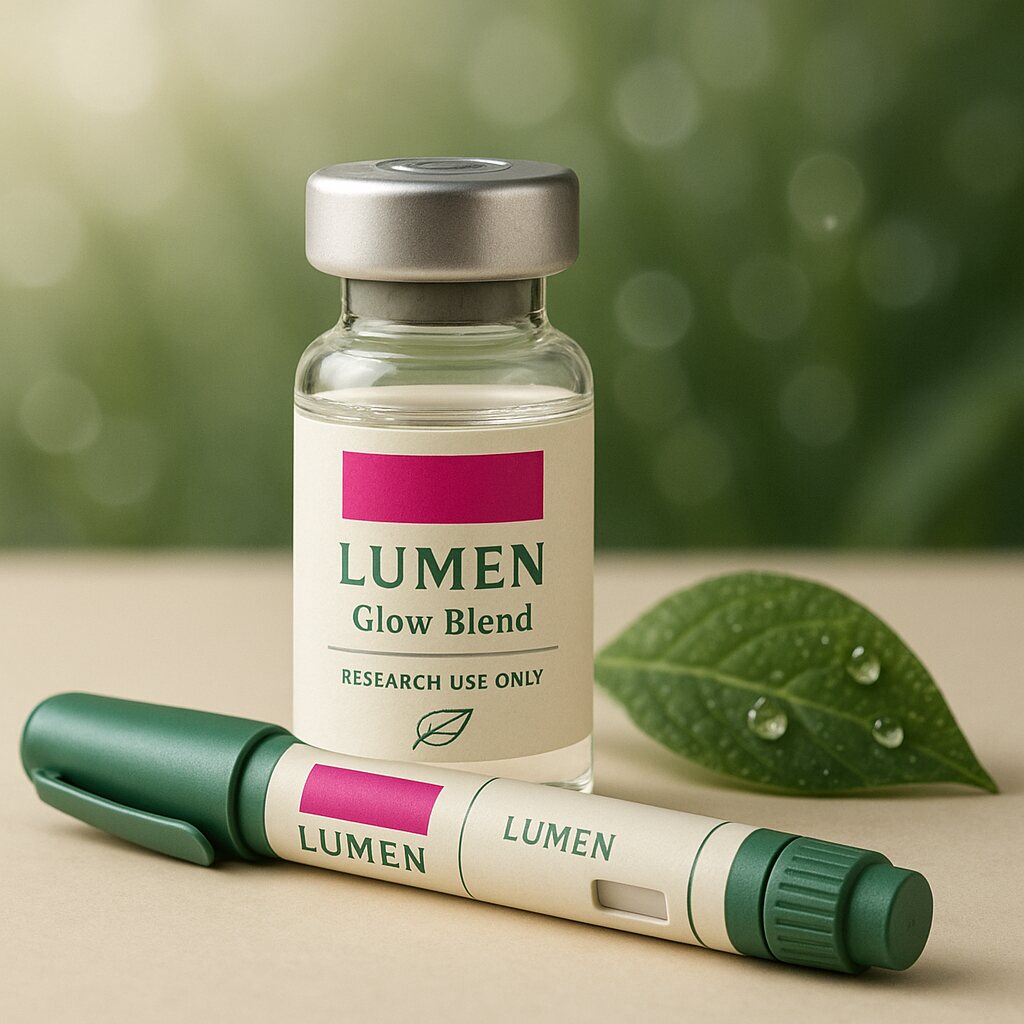
LUMEN
Glow Blend
Supplied as a single reconstitution for protocols that study GHK-Cu, BPC-157 and TB-500 together in skin and repair models.
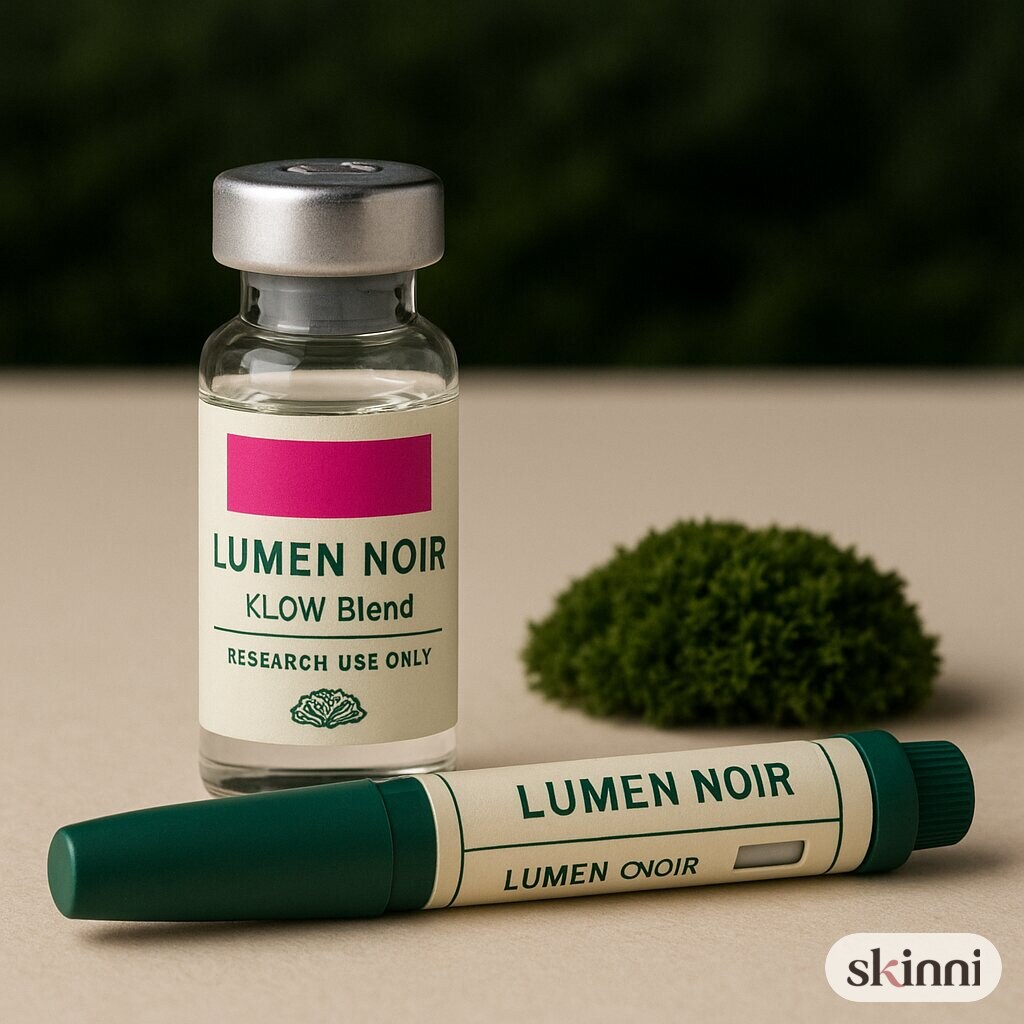
LUMEN NOIR
KLOW Blend
Supplied as a single reconstitution for protocols that study GHK-Cu, TB-500, BPC-157 and KPV together.
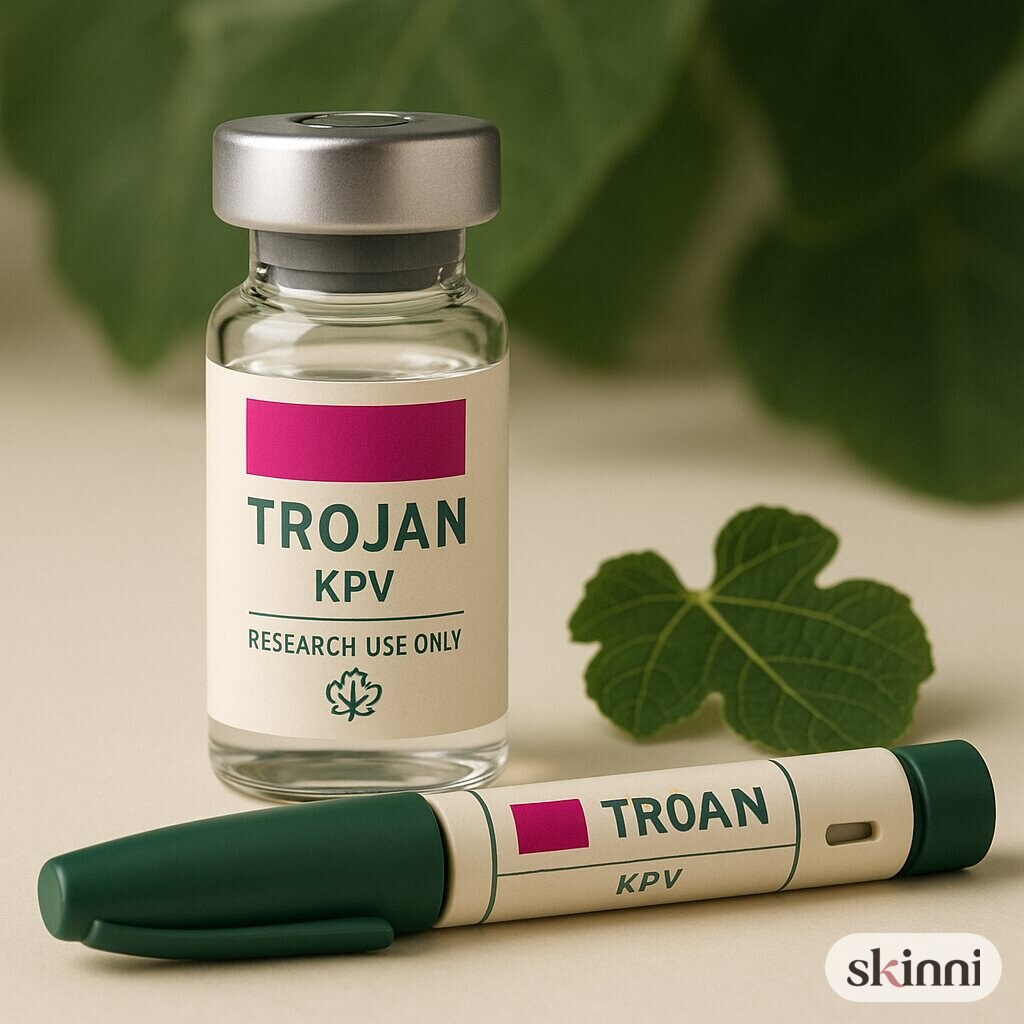
TROJAN
KPV
Studied in cutaneous and intestinal inflammatory models for its anti-inflammatory signalling.
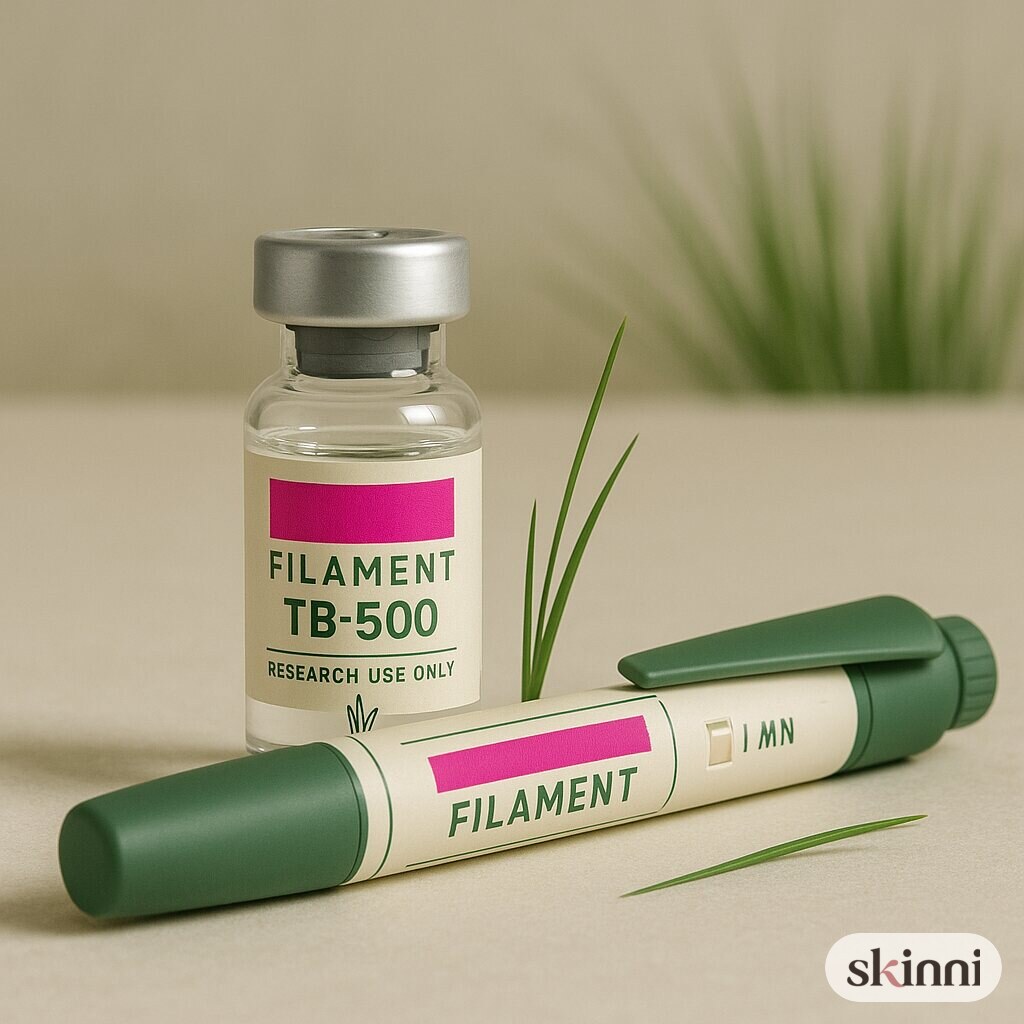
FILAMENT
TB-500
Studied in actin-regulation and cell-migration pathways relevant to tissue-repair research.
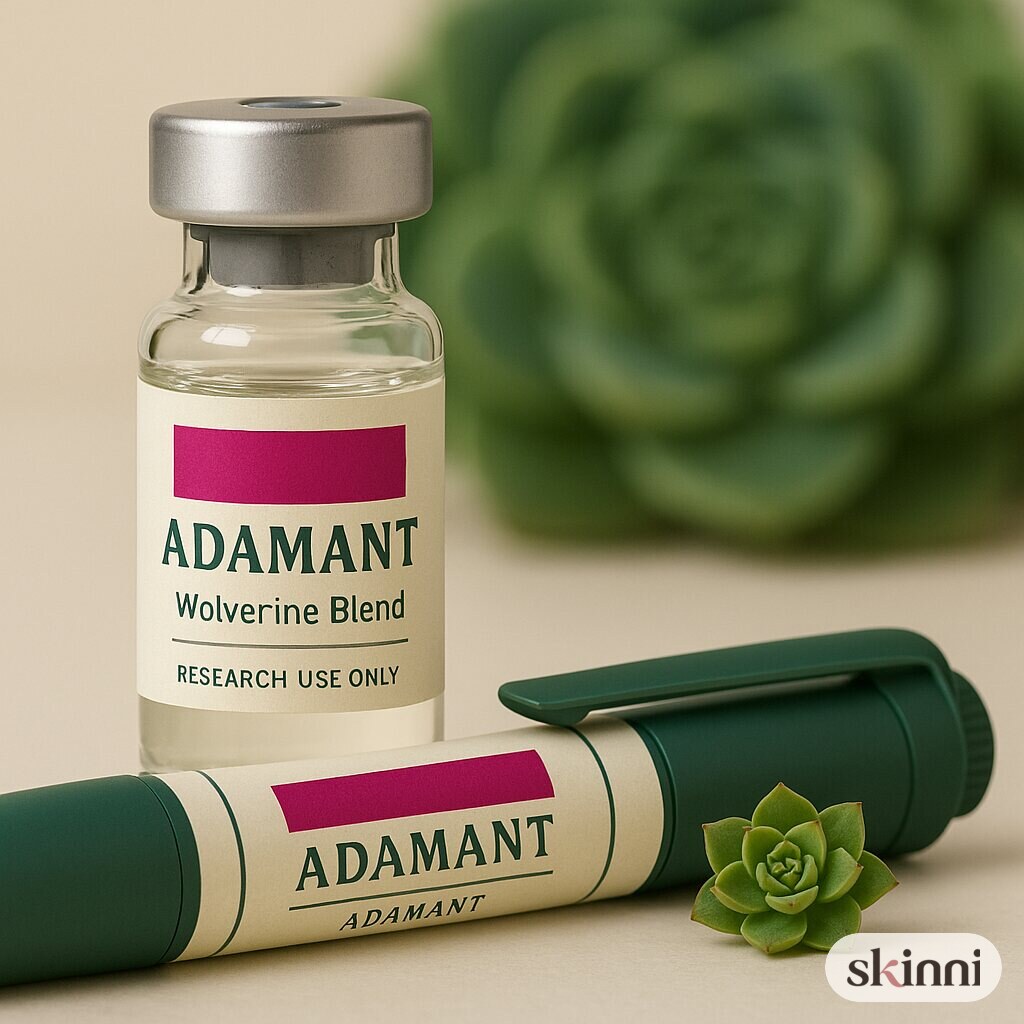
ADAMANT
Wolverine Blend
Supplied as a single reconstitution for repair-model protocols that study BPC-157 and TB-500 in combination.
Regenerative research
What the published literature on these compounds actually examined — the model, the endpoint, and the result.
Regenerative
Matrikines: what the skin matrix says to itself
Collagen breakdown products act as signals, not just debris. The literature on GHK and copper coordination is the clearest worked example.
Regenerative
Tissue repair: actin, vessels and animal wound models
Two of the most requested research peptides sit on entirely different mechanistic evidence. Reading them side by side is instructive.
Regenerative
PepT1, and a three-residue fragment of a larger hormone
KPV is the C-terminal tripeptide of alpha-MSH. The interesting part of its literature is how it gets into a cell.